SecureYrHome Editorial

In this article7 sections
Key takeaways
- Check the approach from the street first: sightlines, house numbers, lighting and hidden entry points.
- Doors, strike plates, frames and the garage entry often matter more than new gadgets.
- Ask for a written, prioritized list so you can fix the cheap items first.
The phrase "home security assessment" gets used for very different things. Sometimes it means a sales representative walking through your house with a tablet full of packages. Sometimes it means a locksmith checking every exterior door, or a friend who works in the trade spending an afternoon pointing out weak spots. And sometimes it means you, a flashlight and a notepad on a Saturday morning.
All of those can be useful. The trick is knowing what a thorough assessment should look at, so you can tell whether the one you're getting is complete, and so you can run a version of it yourself before anyone else shows up.
Who Does Assessments, and Why It Matters
Many security dealers and installers offer a free assessment. That's a reasonable way for them to see your home and quote accurately, but keep the context in mind: the person doing the walk-through usually sells a particular set of equipment, and the findings will tend to point toward it. That isn't a reason to decline. It's a reason to ask questions, and to get more than one opinion if the project is large.
Locksmiths often focus on doors, locks and keys, and they can be very good at spotting a weak strike plate or a deadbolt that never fully extends. Window and door companies look at frames, glass and hardware. Some police departments and community groups have offered home security surveys over the years, but availability varies a great deal by city, so check locally if that interests you.
Whoever does it, the same basic areas should get attention.
Start at the Curb
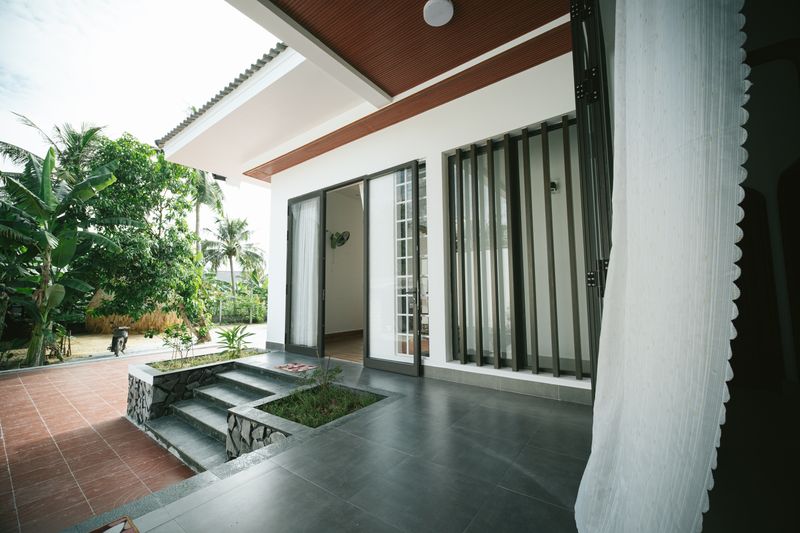
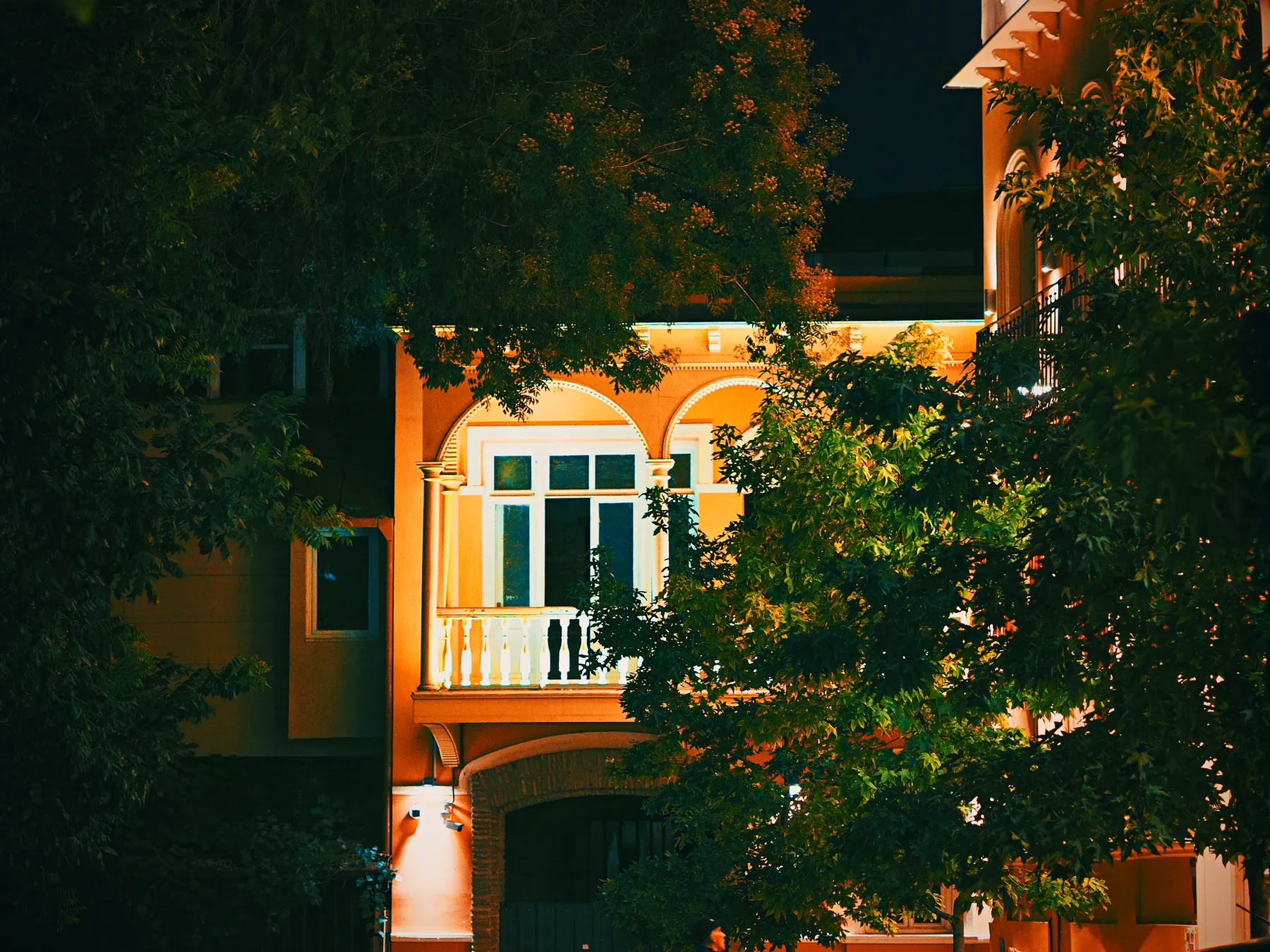
A thorough assessment usually begins outside, from the street, because that's where anyone sizing up a house starts too. The questions are simple. Can you see the front door clearly from the sidewalk? Are the house numbers readable at night, so emergency responders can find you quickly? Do tall shrubs or a solid fence create a hidden approach to a side door or a back window?
Walk the whole perimeter. Note where the yard is dark, where a gate latch is broken, where a ladder or trash bin sits under a second-floor window. Look at the garage and any sheds, since tools stored there can be used to force a door or window. None of this calls for dramatic changes. Often the fix is trimming a hedge, moving a ladder inside or replacing a burned-out bulb.
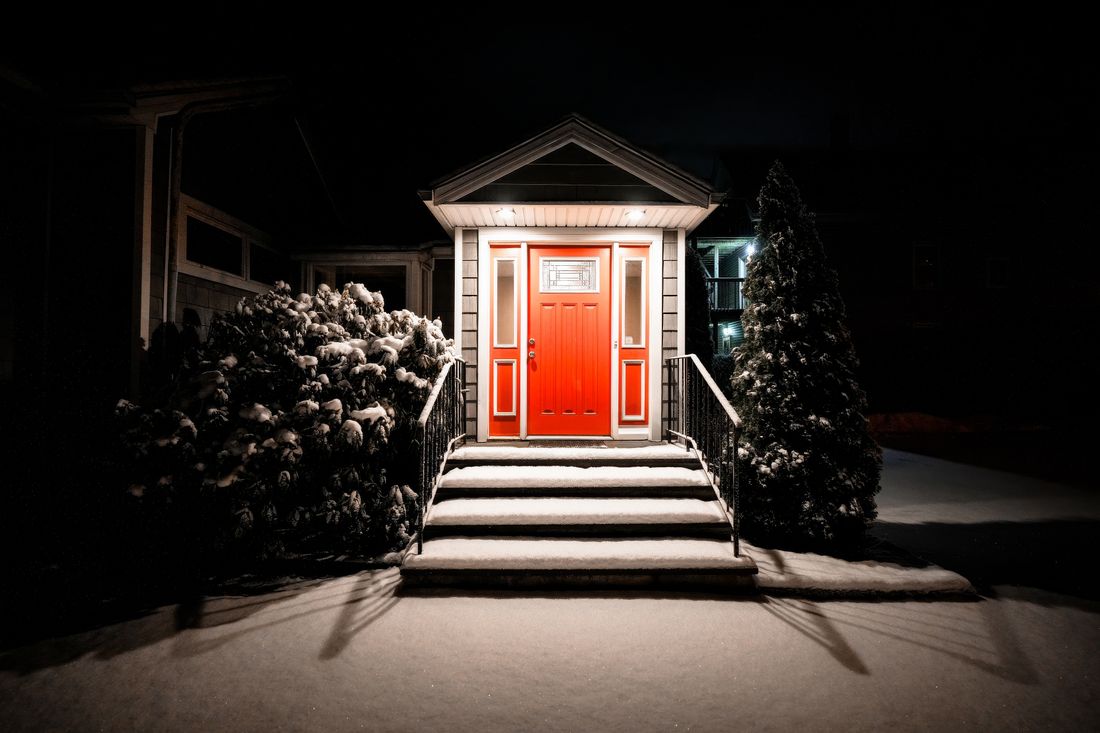
Doors, Frames and Locks
Exterior doors get the closest look, and for good reason. An assessor should check:
- Whether each exterior door is solid core or metal, rather than hollow
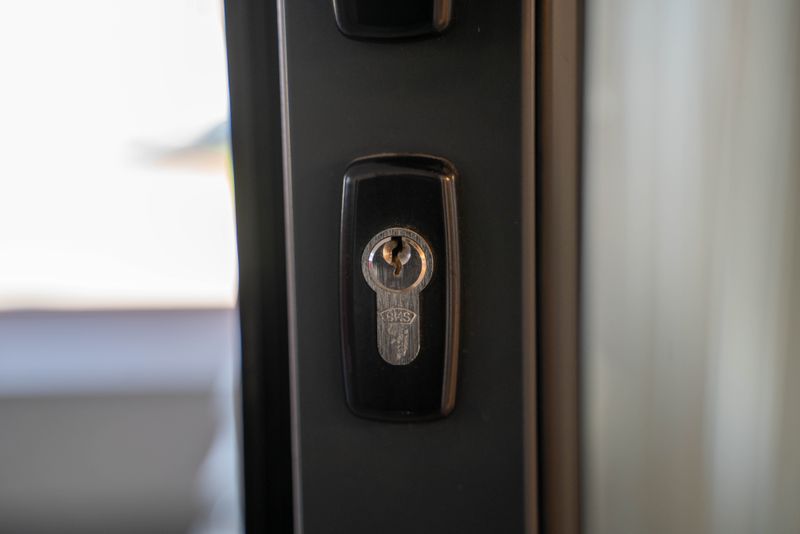
- Whether the deadbolt throws fully into the frame when locked
- How the strike plate is attached, and whether the screws reach past the trim into the framing
- The condition of the frame around the lock, especially on older homes
- Hinge placement, and whether exposed hinge pins could be pulled from outside
- Glass panels near the lock that could let someone reach in
The door between an attached garage and the house deserves the same attention as the front door. It's easy to treat it as an interior door, but if the garage is left open or its door can be forced, that inner door becomes the real barrier. Pet doors and mail slots belong on the list too, since both can create openings near a lock.
Windows, Garages and the Less Obvious Openings
Windows are checked for working latches, cracked or loose frames and whether ground-floor units can be pried or lifted out. Sliding patio doors get a separate look, because many can be lifted off their tracks unless something blocks them. Basement windows, window wells and small bathroom windows are easy to overlook.
The garage door itself matters as well. An assessor might look at whether the opener remote is kept in a car parked outside, whether the manual release could be reached from outside and whether a side garage door has a real deadbolt. Crawl space panels, attic vents reachable from a porch roof and doors on detached buildings round out the physical inventory.
A careful assessor will also point out anything that could keep you from getting out in an emergency. Bars or locks on bedroom windows, for instance, need a quick-release option from inside, and local fire and building codes may set specific requirements.
Lighting, Technology and Daily Habits
Once the physical openings are covered, the assessment usually turns to lighting and equipment. Is there light at every entry? Are fixtures on motion sensors or timers, and do they cover the approach rather than just the doorstep? If you already have cameras or a video doorbell, are they aimed at your own property, with the neighbors' windows and yards out of frame? Recording rules, especially for audio, vary by state, so an assessor should raise that rather than wave it off.
If there's an existing alarm system, it's worth testing the sensors, checking the backup battery and confirming who is on the contact list. Many cities require alarm permits or registration, and false alarm fees differ from place to place.
Then comes the part many assessments skip: routines. Who has keys, and do you know where all of them are? Do you leave the garage open while working in the backyard? Do you post travel plans online? Habits cost nothing to change, and they often matter as much as hardware.
Questions to Ask Before and During the Visit
If a professional is coming out, a few questions help you get more from the time:
- Will I receive a written summary of what you found, or only a quote?
- Which findings can I fix myself, and which need a professional?
- If my budget were small, which changes would you make first?
- Does anything you're recommending require a permit or registration in my city?
- How do your recommendations account for my neighbors' privacy?
- Do you test doors and windows by hand, or only look at them?
- If I don't buy anything today, can I keep the written summary?
If you're doing the walk-through yourself, turn those into prompts. Write down each finding with its location, a rough idea of the fix and whether it's a do-it-yourself job. A simple list like that makes it much easier to compare quotes later.
After the Walk-Through
A useful assessment ends with a prioritized list, not a single package. Put the cheap, quick fixes at the top: longer strike plate screws, trimmed shrubs, a working bulb, a lock on the side gate. Put larger projects, such as replacing a door or adding a monitored system, further down with notes on what you'd need to decide.
Revisit the list once a year or after any big change, like a renovation, a new roommate or a lost key. Homes change, and so do the people living in them.
If you'd like more background before an assessment, SecureYrHome publishes plain-English homeowner guides on locks, lighting, doors and windows, and choosing an installer. They're general education rather than professional advice, but they can help you walk into the conversation with sharper questions.
This article is general information, not professional or legal advice. Camera, recording, permit and alarm rules vary by state and city. In an emergency, call 911.