Window & Door Companies
Homes where doors and windows may need an upgrade
Original windows, tired entry doors and sliders with flimsy latches are easy to spot in person and hard to find from the office. SecureYrHome helps you narrow a service area by home age, recent sales and ownership before anyone leaves the showroom.
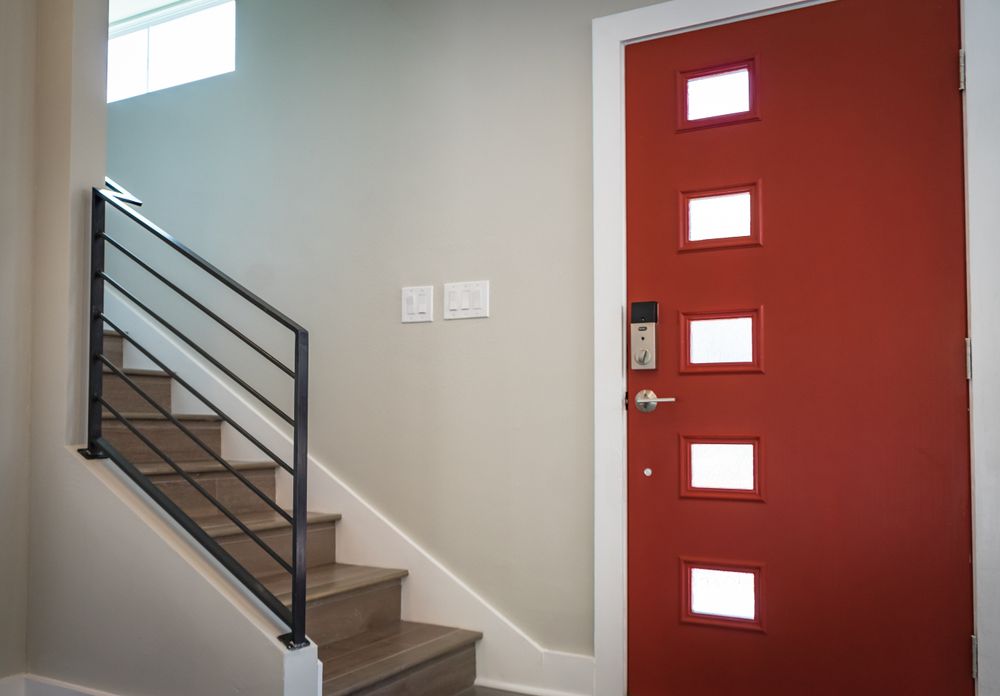
How window and door companies put SecureYrHome to work.
Home age as a starting filter
Houses built decades ago may still have original sashes, drafty glass or lightweight entry doors. Build year from property records helps you decide where to focus.
Move-in project lists
Buyers often arrive with a renovation wish list, and a worn entry door or a sticking slider can land near the top once they've lived there a while.
Decision makers, not tenants
Owner-occupancy filters keep your list focused on people who can approve exterior changes, sign a contract and schedule an install without waiting on a landlord.
Filter for the homes your products fit
Replacement windows, security doors and upgraded locks sell to different homeowners for different reasons. SecureYrHome lets you combine build year, property type, recent sale dates and owner-occupancy into saved lists, so your sales team starts from homes that match what you actually install.
Build year ranges
Pick an age range that fits the products you replace most often, such as homes old enough to still have original frames. Records vary by county, so treat the build year as a guide.
Detached homes versus condos
Condo and townhome associations often control exterior doors and windows, so approvals come before any sale. Detached houses usually leave those choices to the owner, which shortens the path to a measure appointment.
Recently sold homes
New owners often size up doors and windows during their early months in a house. A recent-sale filter puts those homes on your radar while the renovation list is still taking shape.
Larger homes, more openings
More square footage usually means more windows, extra exterior doors and bigger projects. Size filters help you balance quick jobs against whole-house replacements that fill an install calendar.
Talk about security without scaring anyone
Window and door buyers respond to practical explanations, not fear. A reinforced strike, laminated glass or a sturdier slider lock makes sense when you explain how it works and what upkeep it needs. Local codes and association rules also shape what you can offer.

Keep egress in mind
Bars, fixed grilles and some locks can block a bedroom window someone may need in a fire. Egress rules in building codes vary by city, so check them before recommending anything that limits how a window opens.
Explain glass options plainly
Laminated glass and security film can slow someone trying to break through, but neither makes a window unbreakable. Describe what each does honestly and let the homeowner weigh cost and appearance.
Reinforce the whole opening
A heavy door in a weak frame is still a weak door. Longer strike screws, reinforced jambs and solid hinges belong in the conversation alongside the slab itself.
Check permits and HOA rules
Replacement windows and doors may need a permit in some cities, and historic districts or associations can restrict styles and colors. Confirm requirements early so a signed job doesn't stall.

Find homes by build year and ownership, then plan your next measure route with SecureYrHome.
Join UsOutreach that doesn't overstep
A measured approach suits a product people live with for years. From SecureYrHome you can send direct mail, make calls and, on plans that include it, send SMS. Each channel comes with obligations: consent, do-not-call and telemarketing rules for calls and texts, and local solicitation rules for canvassing.
Mail that teaches something
A postcard explaining how a reinforced strike or laminated glass works gives new owners something useful to keep. If you plan calls or texts afterward, the consent, do-not-call and telemarketing rules for your state come into play.
Calls to skip-traced numbers
Before your office dials anyone found through skip tracing, run the list against do-not-call registries, check consent requirements and keep calls within telemarketing rules on timing and caller identification.
Texts with permission
SMS is available on plans that include it and belongs only with homeowners who consented in the way your state's rules require. Honor opt-outs, check do-not-call status and follow telemarketing requirements.
Canvass routes of older homes
Walking a route of older homes lets reps see worn doors in person. Get any required solicitation permit, pass by doors marked "no soliciting," and apply consent, do-not-call and telemarketing rules to every follow-up.
Keep your pipeline organized from measure to install
Window and door jobs move through stages: a consultation, a measure, an order, then an install weeks later. Organized lists, CRM exports and automatic updates help you keep track of every home along that longer cycle, including owners who asked you to check back next season.
Export with property details
When a list lands in your CRM with build year, property type and size attached, the estimator can prepare for the measure before walking in.
Let saved searches refresh
Let saved searches refresh on their own so homes sold since your last campaign join the list without a rebuild. That matters when spring and fall calendars start filling.
Map install zones
Draw zones around where your crews start the day so installs cluster together. Fewer long drives with glass in the truck is easier on the product and the crew.

Why window and door companies choose SecureYrHome
Built around how your trade finds and serves homeowners, with the rules kept in view.
Build year front and center
Home age is the detail many window and door companies ask about before anything else, and it sits beside sale date and ownership in your searches.
Owners who can approve
Owner-occupancy and property type filters point you toward people with authority over their own exterior, rather than tenants or boards.
Records, with their limits
Estimators should confirm age and condition during the measure, since counties differ in what they record and how quickly they update.
Calm, honest selling
Our homeowner guides explain security upgrades without scare tactics, which suits companies that sell by explaining glass, frames and locks clearly.
Control stays with you
You pick the filters, the map area and how often lists refresh. SecureYrHome supplies records and list tools; your team runs the sales process its own way.
Questions from window and door companies.
Still wondering about something? Someone on our team answers every message.
No. SecureYrHome is not a contractor. It doesn't sell, install or service windows, doors, locks or security systems, doesn't monitor homes and doesn't provide emergency response. It's a property and homeowner data membership that window and door companies use to find and organize homeowners in their own service areas.
Not directly. Property records don't usually describe windows or doors. Build year is the closest signal: an older house may still have original units, though plenty of owners have replaced them already. Use age to shape a list, then let the in-home measure tell you what's really there.
No. Permit, egress and association rules come from state and local building codes and any homeowners association, and they differ from place to place. SecureYrHome can help you find and organize homes, but your team should confirm local building requirements before quoting security bars, grilles or replacement units.
Check each number against do-not-call lists, confirm you have the consent the law requires for the type of call or text, and follow telemarketing rules on calling hours and disclosures. States add their own requirements, and door-to-door visits need local solicitation permits in some towns, so get qualified advice if you're unsure.
Other solutions