What a Home Security Assessment Actually Covers
A home security assessment should look at far more than a sales package. Here's what a thorough walk-through covers, from the curb and doors to lighting, habits and local rules.
5 min read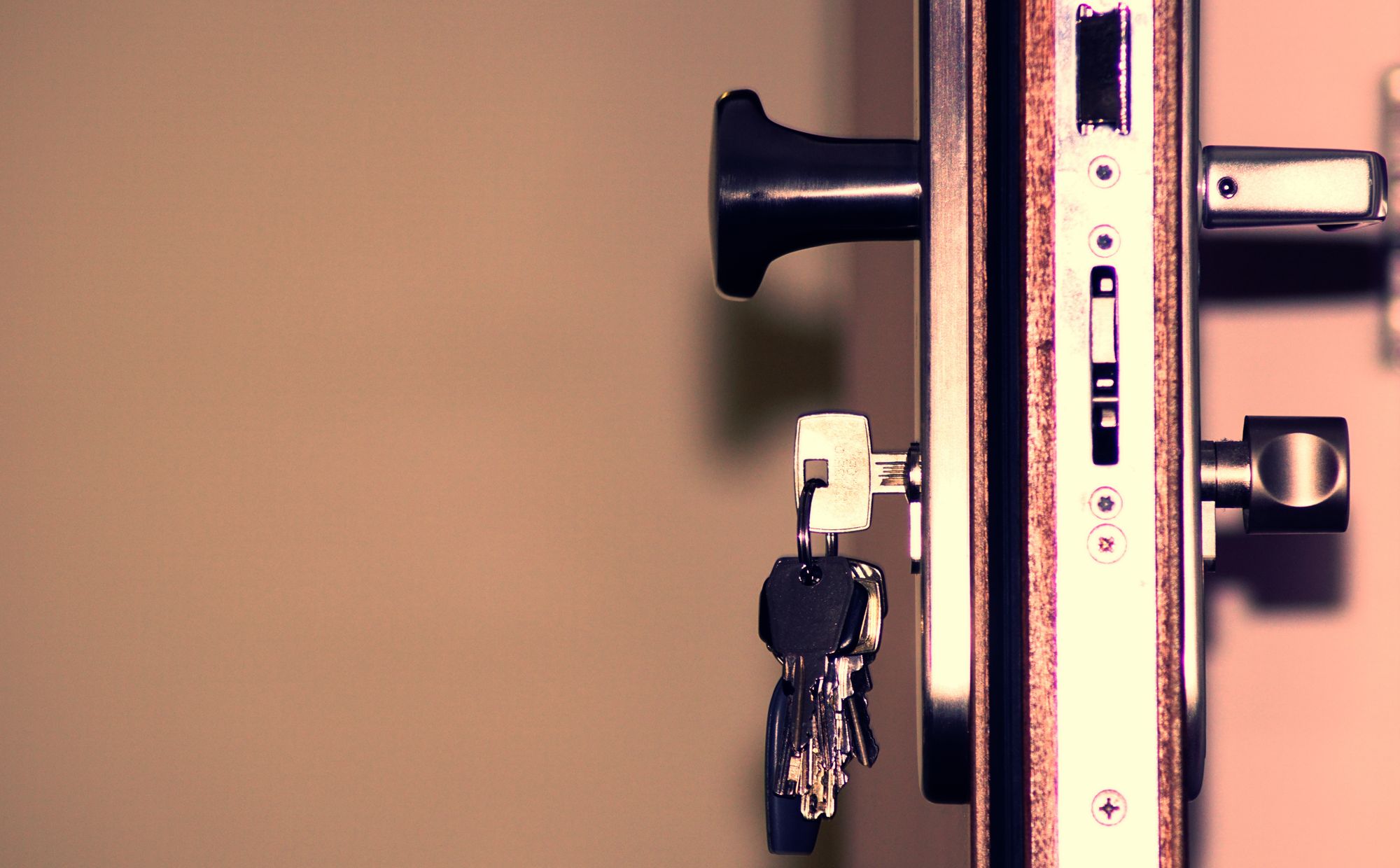
Doors & Entry Points
A deadbolt can only hold as well as the door, frame and screws around it. This guide explains lock grades, deadbolts, strike plates, rekeying and smart locks, including keypads and batteries, so you can choose hardware that fits each door.
Walk into any hardware store and the lock aisle can feel like a wall of choices: knobs, levers, handlesets, single and double cylinder deadbolts, keypads and app-connected models. Prices and finishes vary widely, and the packaging rarely explains what matters. The good news is that a few questions sort out most of it.
Which doors need a deadbolt? How well is the lock built? Is the frame strong enough to hold it? And who should be able to get in, and how? Answer those for each exterior door, garage entry included, and you'll know whether you need new hardware, a quick reinforcement job or simply a rekey.
1Step 1 of 7
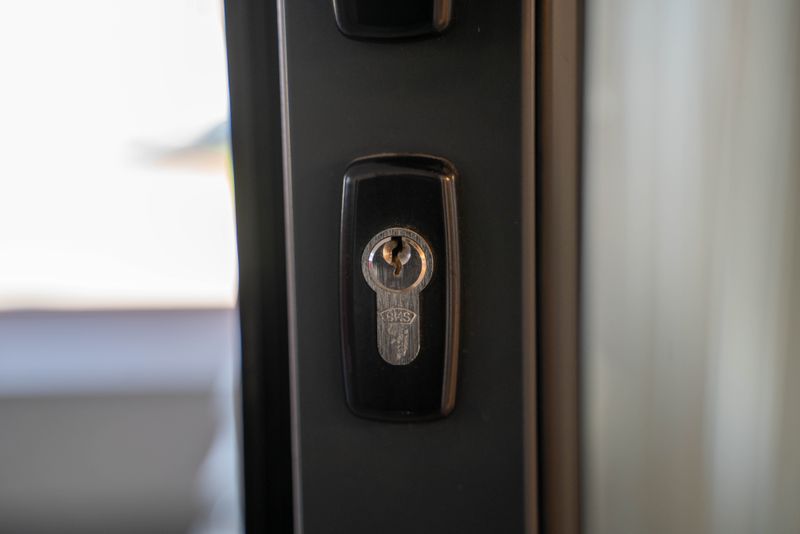
The knob or lever on most doors has a spring latch, the angled piece that clicks into the frame when the door shuts. It is convenient, but a spring latch on its own is easy to force or slip. A deadbolt is a separate, square-ended bolt that you throw with a key or thumb turn, and it doesn't retract when pushed. Every exterior door, including the garage entry door, should have one. Look for a bolt that extends about an inch into the frame, and make sure it throws fully without you having to push or lift the door.
A key outside and a thumb turn inside. It's the usual choice for homes because anyone inside can get out quickly without hunting for a key.
A key on both sides. Some local fire and building codes restrict these in homes because they can slow an escape, so check your local rules first.
Keypad and smart deadbolts throw the same kind of bolt, using a code or an app instead of, or alongside, a traditional key.
2Step 2 of 7
Many residential locks carry a grade from a standards system published by ANSI and BHMA, based on testing for durability, strength and repeated use. Grade 1 is the most demanding level, Grade 2 is common on solid residential hardware, and Grade 3 meets the basic standard. The grade isn't the whole story, since installation and the door itself matter just as much, but it is a useful way to compare two locks that look alike on the shelf. If a lock lists no grade at all, ask the seller or manufacturer why.
A front door that opens many times a day benefits from a higher grade than a rarely used side door, though both deserve a solid deadbolt.
Some locks also carry separate ratings for finish or pick resistance. Ask what each rating actually measures before paying extra for it.
3Step 3 of 7
When a door is kicked or shouldered, the weak point is often not the bolt. It's the wood of the door frame around the strike plate, the metal plate the bolt slides into. Many strike plates are installed with short screws that only reach the thin trim. Replacing them with screws long enough to reach the wall framing is one of the most useful upgrades you can make for very little money. A heavy-duty strike plate or a frame reinforcement kit spreads the force over a longer section of the jamb.
Screws of roughly 3 inches usually reach the framing behind the jamb. Drive them carefully so you don't pull the frame out of alignment.
A longer screw in at least one hole of each hinge helps the hinge side of the door hold up as well as the lock side.
If the door sags or the bolt scrapes the strike, adjust the hinges or reposition the strike so the bolt throws smoothly every time.
4Step 4 of 7
Rekeying changes the pins inside a lock cylinder so old keys stop working, while you keep the same hardware. It makes sense after you move in, after a roommate moves out, when you lose a key, or when you're not sure how many copies are floating around. A locksmith can rekey most standard locks on site, and some locks let you rekey them yourself with a tool and a new key. If you want one key for every exterior door, ask about keying them all alike at the same visit.
Rekeying is usually simpler when the hardware is in good shape. Replace the lock instead if it is worn, low grade or not the style you want.
If you rent, your lease likely covers lock changes. Talk to your landlord before rekeying, and hand over a key if the lease requires it.
Some key systems restrict duplication so copies can only be cut with authorization, which helps if you share keys with workers or tenants.
5Step 5 of 7
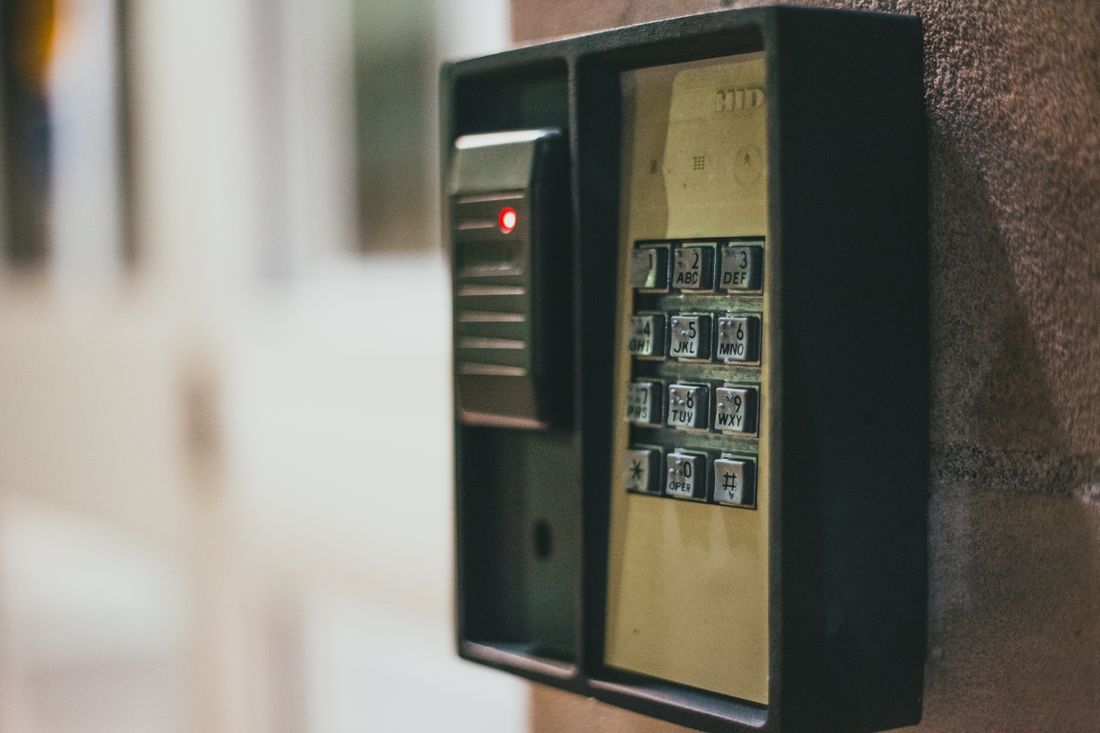
Keypads and smart locks let you share codes instead of keys, see when a door was locked, and lock up from your phone if you forgot on the way out. They also add things to manage: batteries, app accounts, software updates and a wireless connection. Look for a model that still throws a proper deadbolt, lists a grade, and includes a mechanical key or another backup way in. Think about how it connects. Some link directly to your home network, while others need a hub or only respond to your phone at close range, and that affects battery life and remote access.
Separate codes for family, a pet sitter or a contractor let you see who came and went, and you can delete one code without changing the rest.
Auto-lock relocks the door after a set time, which helps if someone in the house tends to forget. Keep your code or backup key handy so it never strands you.
Use a strong password and two-factor login on the lock's app, and remove access for anyone who no longer needs it.
6Step 6 of 7
Most smart locks and keypads run on standard batteries, and they usually give some warning before they die: a low-battery notification in the app, a chirp or a flashing light. Don't ignore it. Swap in fresh batteries on a routine, for example each time you test the smoke alarms, so it never turns into a scramble at the door. Know what your lock does when power runs out. Many keep working locally when the internet is down but lose remote features. If the batteries die completely, you'll need the backup key or a model that accepts emergency power at the outside keypad.
Store the mechanical backup key somewhere you can get to from outside the house, like with a trusted neighbor, not on the kitchen counter.
Follow the lock maker's recommendation for battery type. Cheap or mixed batteries can drain faster and cause the bolt to stall partway.
7Step 7 of 7
The front door gets the attention, but side doors, back doors, basement doors and the door from the garage deserve the same hardware. Sliding doors need a secondary lock or bar, since their built-in latch is light. Storm doors can have their own locks, which add one more step for anyone trying the door. Gates to the backyard benefit from a lock, or at least a latch that can't be flipped from outside. Walk the house with a list and hold each door to the same standard, rather than upgrading only the one guests see.
Treat it as an exterior door. Use a solid door, a deadbolt and a reinforced strike, and keep it locked even when the overhead door is down.
A foot-operated lock, a pin through the frame or a bar in the track adds a second barrier to a sliding door's standard latch.
Tick boxes as you go. Nothing leaves this page.
If your locks work well and you like them, rekeying is usually the simpler choice. It changes which keys open them without new hardware. Replace a lock if it is damaged, worn, a low grade, or missing features you want, such as a keypad. Plenty of homeowners rekey right after moving in and then upgrade a door or two over time.
Not inherently. A well-made smart lock throws a deadbolt just like a mechanical one, and its strength depends on the same things: the grade, the strike plate and the door frame. The added considerations are the app account, the wireless connection and the batteries. Keep the firmware updated, use a strong password with two-factor login, and keep a backup way in.
It depends on the model. Many include a physical keyhole, so the backup key gets you in. Some keypads have contacts on the outside where you can hold a battery to power the lock long enough to enter your code. Check your manual now, before you need it, and keep that backup key somewhere you can reach from outside.
It can keep someone from reaching through broken glass to turn the thumb turn, but it can also slow your own exit in a fire, and some local codes restrict it in homes. Check your city or county rules first. Alternatives include security film or laminated glass near the lock, or a single cylinder deadbolt with a thumb turn that can be locked or removed.
Good locks don't have to be complicated. Put a solid deadbolt on every exterior door, anchor the strike plate into the framing, keep track of who has keys or codes, and treat smart lock batteries like any other household chore. When you're unsure about a door, a local locksmith can look at it in person, and licensing rules for locksmiths vary by state. SecureYrHome publishes homeowner guides on locks, cameras, lighting and other everyday security topics as general education, so you can go into that conversation with sharper questions.
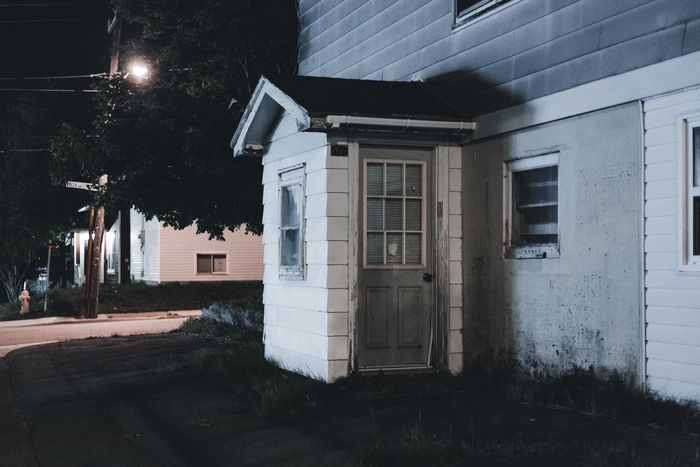 Doors & Entry PointsHome Security BasicsGood home security starts with the doors, windows and habits you already have.Read the guide
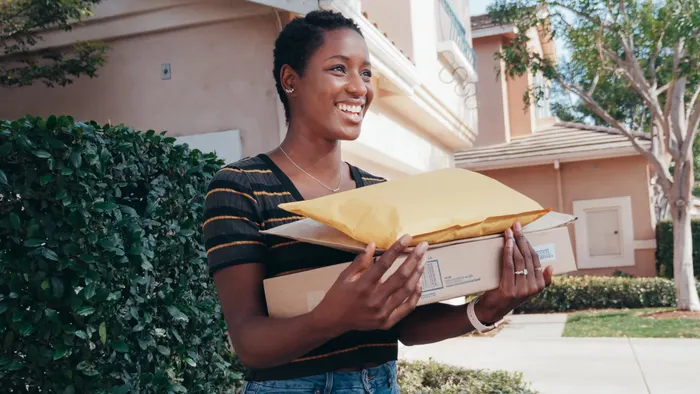 Doors & Entry PointsPackage DeliveriesMost package problems come down to timing and placement: a box sits in plain view for hours, or arrives when nobody's around.Read the guide
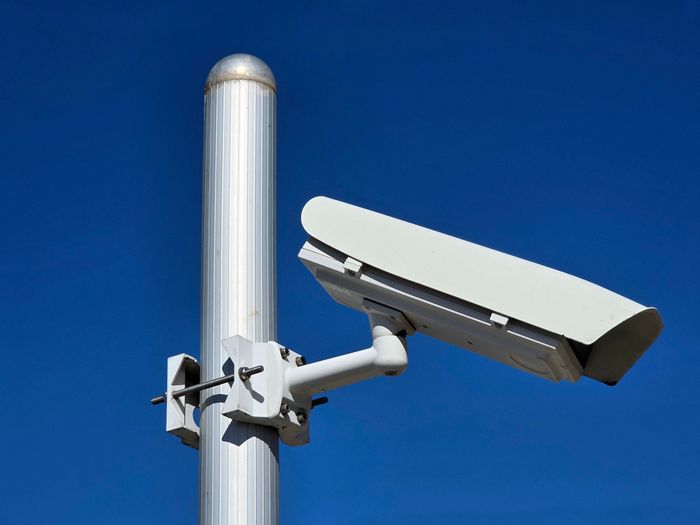 Cameras & LightingSecurity CamerasCameras can show you who is at the door, record what happened in the driveway and let you check in while you're away.Read the guide
A home security assessment should look at far more than a sales package. Here's what a thorough walk-through covers, from the curb and doors to lighting, habits and local rules.
5 min readWired and wireless security systems each fit different homes. Learn how they differ, where each makes sense, when a hybrid setup is practical and what to ask before choosing.
5 min readProfessional monitoring puts a trained operator between a sensor and a response. Self-monitoring puts that decision on you. Here's how each works, who each suits and what to ask.
5 min read
Property and homeowner records, list building, routes and outreach tools for security dealers, locksmiths, installers and contractors.