Rekeying After You Move In: Why and How
You rarely know how many keys to a new home are still out there. Here is why rekeying makes sense after a move, how it works, and what else to reset that week.
5 min read
Moving & Travel
An empty house gives itself away in small ways: a pile of mail, a dark porch every night, a trash can still at the curb. Here's how to plan routines, lighting, mail and a neighbor's help so the house keeps its everyday look.
Most trips start with a packing list and end with a rush out the door. Home security tends to get squeezed into the last ten minutes, which is when a back door gets left unlatched or the garage stays open. A little planning a week ahead makes the leaving part calmer.
The goal isn't to turn your house into a fortress. It's to make the home look and feel occupied, to have someone nearby who can check on it, and to know what you'll do if something does go wrong. This guide covers short weekends and longer stretches, and most of it costs little or nothing.
1Step 1 of 7
A week gives you time to arrange the things that depend on other people: a mail hold, a neighbor who can check in, a pet sitter, a paused delivery or two. Write a short plan with your dates, who has access to the house and how to reach you. If a house sitter or pet sitter is coming, give them their own code or key rather than lending yours, so you can remove it when you're home. Keep travel details on a need-to-know basis, and consider waiting to post vacation photos until you're back.
A separate keypad code for a sitter can be deleted the day you return. It's cleaner than tracking down a borrowed key later.
Your neighbor and your sitter need your dates and phone number. Everyone else can hear about the trip afterward, over photos and stories.
2Step 2 of 7
A full mailbox or a stack of boxes by the door is one of the clearest signs that nobody's home. You can ask the postal service to hold your mail, online or at the counter, and it keeps everything until you return. Pause newspaper delivery, and either reschedule online orders or send them to a pickup location. If something arrives anyway, ask your neighbor to bring it inside. For longer trips, think about the yard as well: grass that hasn't been cut in weeks sends the same message as an overflowing mailbox.
Set up the mail hold a few days ahead and double-check the start and end dates, especially if your travel plans shift.
Send anything you can't reschedule to a pickup point or locker, so nothing sits on the porch for days.
A lawn service or a helpful neighbor can mow or shovel while you're gone. An untouched driveway after a snowfall is its own giveaway.
3Step 3 of 7
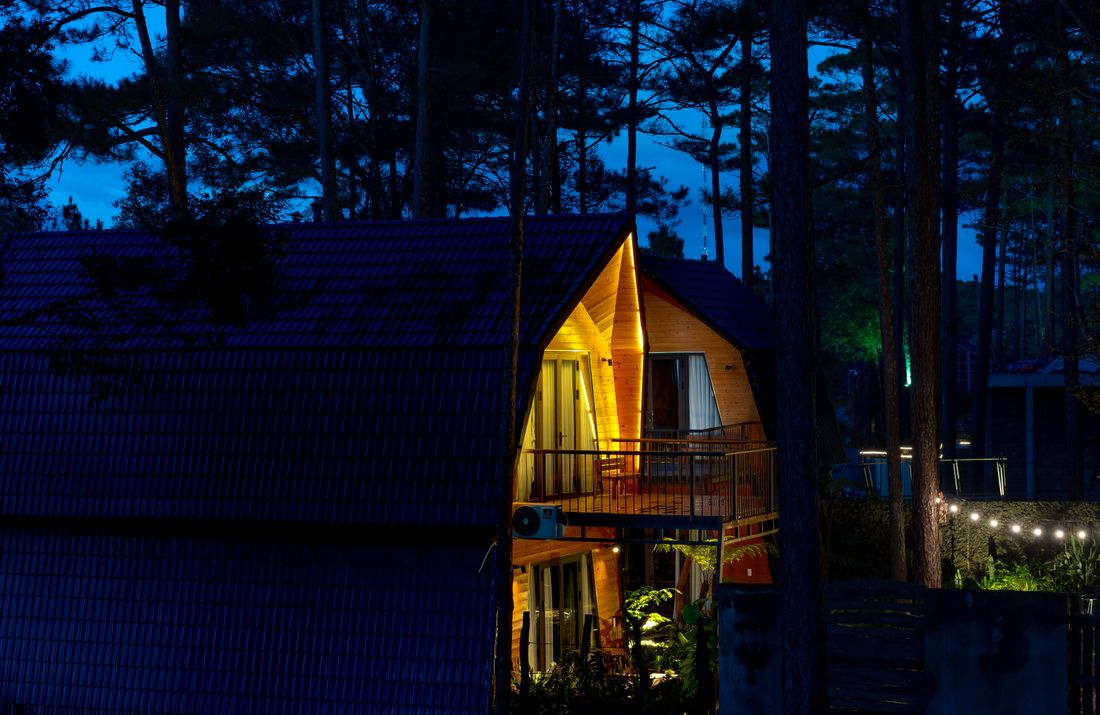
A house that goes dark at sunset and stays dark for a week looks empty. Plug-in timers or smart plugs can turn on a living room lamp in the evening and a bedroom light later, the way you would. Vary the times a little if your timer allows it. Leave outdoor motion lights working, and consider a dusk-to-dawn bulb on the porch. Avoid leaving every light on around the clock, which looks just as odd as a dark house and runs up the electric bill. A radio or TV on a timer adds sound, if that suits your household.
Set lights to follow the rooms you actually use at night. A kitchen light around dinnertime and a bedroom lamp later look natural from the street.
Many smart plugs have an away or random setting that shifts on and off times slightly each day. Turn it on if yours has one.
4Step 4 of 7
No gadget beats a neighbor who knows you're away. Ask someone you trust to glance at the house every day or two, pick up flyers and stray packages, and maybe park in your driveway now and then. Give them your contact details, your dates, and the name and number of anyone else who might come by, such as a pet sitter or cleaner. That way a strange car in the driveway won't worry them. When their own vacation comes around, do the same for them, since the arrangement works well in both directions.
A short list of expected visitors, like a sitter or lawn crew, lets your neighbor tell normal comings and goings from something worth a phone call.
If something looks wrong, your neighbor should call 911 in an emergency and never go inside to check. After that, they can call you.
5Step 5 of 7
On the day you leave, walk through the house with a short list. Lock every outside door, the garage entry door included. Check windows on every floor, and make sure each slider has its bar or dowel in place. Close the garage, and use the opener's lock setting or unplug it. Bring in anything that could help someone get in, like a ladder left against the house or a step stool on the patio. Take the spare key out from under the mat or planter, and leave it with your neighbor instead.
Many openers have a lock button on the wall control that ignores remotes until you turn it off. It's an easy way to keep the door shut while you travel.
Fake rocks and doormats are the first places anyone looks. A neighbor or a secured lockbox is a far safer home for a spare key.
6Step 6 of 7
If you have cameras, a video doorbell or a monitored system, check them a few days before you leave, not the morning of. Make sure notifications reach your phone, batteries are charged and the Wi-Fi signal is solid where each device sits. Tell your monitoring company your dates and who has access, and update the emergency contact list. Keep camera views on your own property, and remember that audio recording laws vary by state. Decide ahead of time how you'll respond to a notification from far away, so you're not guessing at midnight in a hotel room.
Walk past each camera and confirm the notification lands on your phone, then check that you can open the clip over cellular data, not just home Wi-Fi.
Your monitoring provider needs a local contact who can meet responders or check the house. Add your neighbor if they agree to it.
Angle cameras toward your doors, driveway and yard, and away from a neighbor's windows or backyard.
7Step 7 of 7
Most trips end with nothing more eventful than a bundle of held mail. Still, it helps to have a plan. If a camera shows what looks like a break-in in progress, call the police department that covers your home right away. Dialing 911 from out of town connects you with dispatchers where you are, not where the house is, so save that number before you leave. For less urgent concerns, call your neighbor or the non-emergency line. If you come home to a forced door or broken window, don't go inside. Move somewhere safe, call 911 and wait for officers.
Before you go, save the emergency dispatch number for your home's police department in your phone, so you can reach them quickly from out of town.
Photos of your rooms and valuables, plus serial numbers for electronics, make an insurance claim or police report much easier to complete.
Tick boxes as you go. Nothing leaves this page.
It's a sensible habit. Public posts can tell people you're away and for how long, and you can't always control who sees them. Check your privacy settings, share with close friends if you like, and save the public posts for after you're back. The same goes for out-of-office replies that announce your travel dates to everyone who emails you.
Usually not. Lights that never turn off can look as unnatural as a dark house. Timers or smart plugs that follow your normal evening pattern look more like someone is home. Outdoor motion lights and a porch light that switches on at dusk help too, and they're kinder to your neighbors than floodlights running all night.
It's a good idea if your system is professionally monitored. Share your dates, update the emergency contacts, and confirm who's allowed to enter and with which code. That helps the company decide how to respond if a sensor trips. If a sitter will be coming and going, make sure they know how to disarm the system and what to do after a false alarm.
The postal service limits how long it will hold mail, and you can see the current limit when you set up the request. For a longer trip, ask about temporary forwarding to where you'll be staying, or have a trusted neighbor or relative collect mail and packages a couple of times a week. Pause subscriptions and deliveries so less arrives in the first place.
A quiet trip usually comes down to a few ordinary habits: held mail, lights on a schedule, locked doors and a neighbor who knows to look. None of it takes long, and once you have a checklist you can reuse it for every trip, from a long weekend to a month away. These travel tips are part of the homeowner guides SecureYrHome shares for general education, and the site isn't a monitoring or emergency service, so keep your home area's police number saved and call for help whenever something looks wrong.
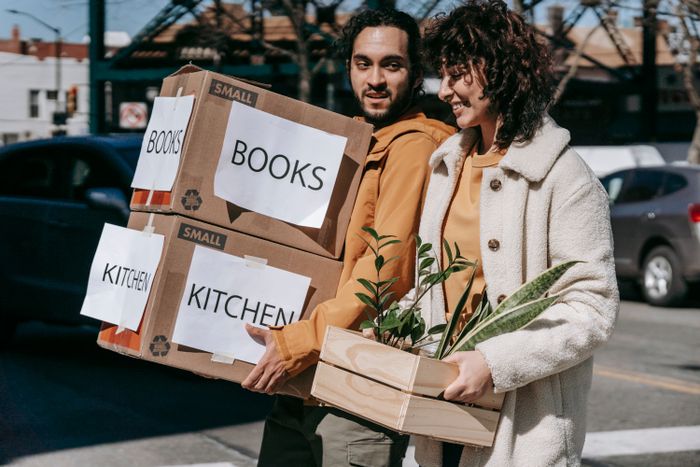 Moving & TravelNew Home ChecklistThe previous owners, their contractors and maybe a dog walker or two could still have a way in.Read the guide
 Doors & Entry PointsHome Security BasicsGood home security starts with the doors, windows and habits you already have.Read the guide
 Doors & Entry PointsDoor Locks & Smart LocksA deadbolt can only hold as well as the door, frame and screws around it.Read the guide
You rarely know how many keys to a new home are still out there. Here is why rekeying makes sense after a move, how it works, and what else to reset that week.
5 min readHiding a spare key under the mat or in a fake rock is an old habit worth breaking. Compare safer spare key options and learn how to keep track of every copy.
5 min readThe longer a package sits on your porch, the more chances it has to disappear. These practical steps help you shorten that window, change where boxes land and respond calmly if one goes missing.
5 min read
Property and homeowner records, list building, routes and outreach tools for security dealers, locksmiths, installers and contractors.