SecureYrHome Editorial
In this article7 sections
Key takeaways
- Aim cameras at your own entry points, driveway and yard, not across the property line.
- Mount high enough to resist tampering but low enough to capture faces clearly.
- Audio recording laws differ by state, so check yours before turning microphones on.
Most camera regret shows up a few weeks after installation. The footage is sharp, but it shows the top of every visitor's head, a glaring porch light, or a clear view of the neighbor's back patio that nobody meant to capture. None of that is about the camera itself. It comes down to where it was mounted and which way it points.
This guide walks through outdoor placement the way an experienced installer would think about it: start with what you need to see, pick heights and angles that actually produce useful images, and keep your lens on your own property. Along the way we will cover audio, lighting and power, because those are the details that decide whether a camera stays useful after the first month.
Start with the places people actually approach
Before you look at mounting spots, walk the outside of your home and note every way a person can reach a door or window. For most houses that list is short:
- The front door and front walk
- The driveway and any detached garage or carport
- A side gate or side yard path
- A back door, patio door or deck stairs
- Ground-floor windows that are hidden from the street
Rank them by how often they are used and how hidden they are. A front door facing the street gets plenty of natural visibility. A side gate behind a tall hedge gets almost none, which often makes it a stronger candidate for a camera than yet another view of the front lawn.
It also helps to decide what each camera is for. One camera may be there to identify who comes to the door. Another may simply show that a car pulled into the drive at a certain time. Those are different jobs, and they call for different placement.
Height and angle: faces beat rooftops
The most common mistake is mounting a camera as high as the ladder allows. A camera tucked under a second-story eave is hard to reach, which is good, but it tends to record hats, hoods and scalps. For identification, a lens angled only slightly downward usually does better.
A practical middle ground for many homes is somewhere around the height of a first-floor eave or a garage header, angled so a person walking toward the door fills a good part of the frame by the time they are a few steps away. Doorbell-style cameras handle this by sitting near chest height, which is one reason they are good at faces.
A few angle habits help:
- Aim along a path, not straight across it. People walking toward the lens stay in frame longer than people crossing it.
- Keep the sky out of the top of the frame. Bright sky makes the camera darken everything else.
- Check the view at the times you care about, including after dark, before you drill the final holes.
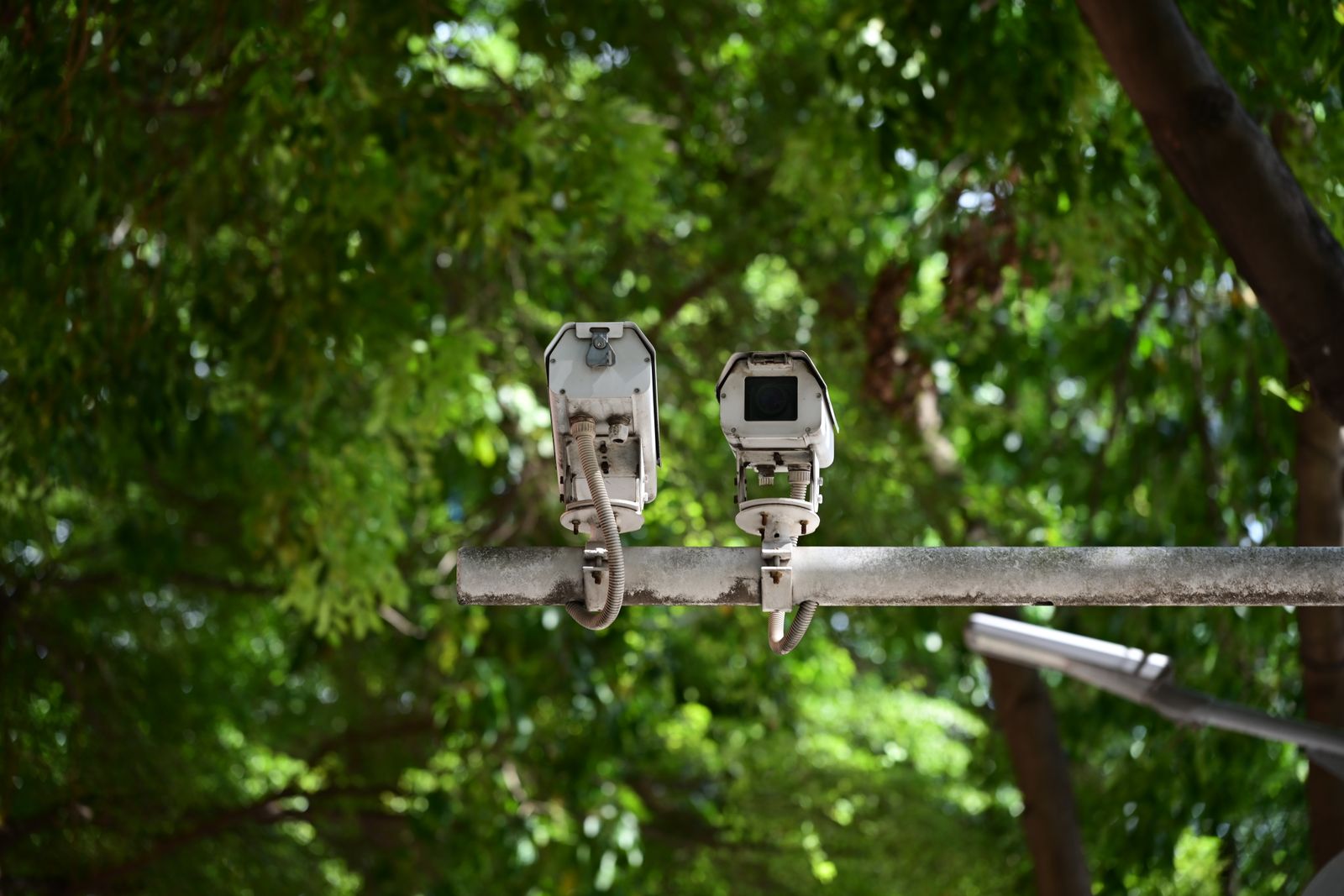
Tampering matters too. If a camera can be reached from the ground or from a railing, it can be knocked aside. Mount just out of easy reach, and run cables through the wall or in conduit rather than along the siding where they can be cut.
Where your view ends and the neighbor's begins
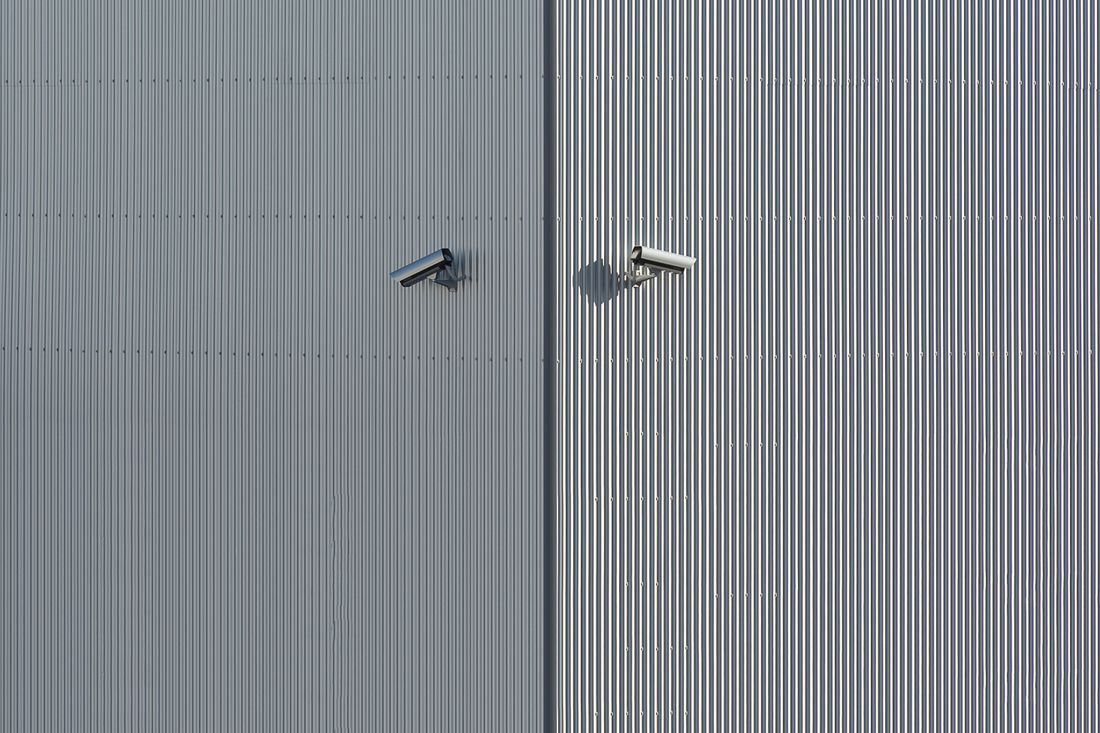
Here is where placement becomes a courtesy and, in some places, a legal matter. Your camera should be watching your property, not theirs. That means avoiding views into a neighbor's windows, fenced backyard, pool or any other space where they would reasonably expect privacy.
In practice, some overlap is hard to avoid. A camera covering your driveway may catch a slice of the street or the house across the way. Many cameras and apps let you draw privacy masks, which black out part of the image so it is never recorded. Use them. Narrowing the field of view or rotating the camera a few degrees often fixes the problem without losing anything you need.
A short conversation also goes a long way. Letting the neighbors know you are adding cameras, and showing them what the camera sees if they ask, tends to head off tension before it starts. If you live under a homeowners association or in a condo, check the rules too. Some limit where exterior equipment can be mounted or how it can look.
Audio is a separate decision
Video and audio are treated differently under the law. Recording conversations can fall under wiretapping or eavesdropping rules, and those rules vary by state. Some states require the consent of everyone in a conversation before it is recorded, while others require only one party. Local rules can add more.
Because of that, many homeowners simply leave audio recording off on exterior cameras, or limit it to a doorbell where visitors are speaking to them directly. If you want microphones on, look up the rules for your state, and consider a small sign noting that audio and video recording is in use. This is general information, not legal advice, so ask a local attorney if you are unsure.
Light, weather and power
Cameras see differently at night. Most switch to infrared, which lights up whatever is closest to the lens. A soffit, gutter or wall right beside the camera will bounce that light back and wash out the picture. Give the lens some clear space, and keep in mind that a single spider web near the lens can glow brightly at night.
Backlight is the daytime version of the same problem. A camera facing west into an afternoon sun, or looking out from a dark porch toward a bright street, will struggle. Move it, tilt it, or pair it with a porch light so the subject is lit rather than the background.
Weather and power round out the list:
- Mount under an overhang where you can, even if the camera is rated for outdoor use.
- Confirm your Wi-Fi reaches the spot with a strong signal before committing to it.
- Battery cameras are easy to place but need charging, so choose spots you can reach safely.
- Wired cameras are more dependable. Any new outlet or low-voltage run may need a licensed electrician or a permit, depending on where you live.
A placement walk-through before you drill
Use this list on a walk around the house, ideally once in daylight and once after dark:
- Every approach to a door or hidden window is covered by a camera or is visible from the street.
- Each camera has a clear job: identifying people, or simply showing activity.
- Faces are visible at the distance a visitor would be before reaching the door.
- No lens looks into a neighbor's windows, yard or pool, and privacy masks cover any unavoidable overlap.
- Audio is off, or you have checked your state's rules.
- The lens is clear of nearby walls and eaves that would reflect night lighting.
- The mount is out of easy reach, and cables are protected.
- Your Wi-Fi signal is solid at each location, or the camera is wired.
One more reminder: a camera records, but it does not respond. If you ever see a break-in or anyone in danger on your feed, call 911 rather than going outside to check.
Keep learning
Camera placement is one piece of a larger picture that includes lighting, locks and daily routines. SecureYrHome publishes plain-English homeowner guides on each of those topics, written to help you ask sharper questions when you set things up yourself or talk with an installer.
This article is general information, not professional or legal advice. Camera, recording, permit and alarm rules vary by state and city. In an emergency, call 911.