SecureYrHome Editorial
In this article7 sections
Key takeaways
- Define your service area by realistic drive time, not just a circle on a map.
- Group streets into zones and plan walking loops that start near current jobs.
- Get solicitor permits where required, and always skip homes with no soliciting signs.
Imagine two canvassers with the same door hangers and the same Saturday. One drives to a neighborhood across town, knocks on a few doors, then drives somewhere else that looked promising on the way. The other starts two streets from a job the crew finished on Thursday, walks a loop that covers every eligible home in one zone, and gets back to the truck by mid-afternoon with notes on every door. The difference is not effort. It is planning.
Mapping a service area and planning routes is unglamorous work, but it decides how much of a canvassing day goes to talking with homeowners and how much goes to traffic. It also keeps track of where your team is allowed to go and where it is not.
Draw the service area you can actually serve
Start with the jobs, not the map. Where can your crews reach in a reasonable drive, do careful work and still make the next appointment on time? A radius around your shop is a starting point, but rivers, highways and rush hour turn circles into odd shapes. Drive-time boundaries usually reflect reality better than distance.
Think about service calls too. If you sell a system in the far corner of your area, someone will need to go back for adjustments, battery swaps or questions. A service area that is too large makes every later visit more expensive for you and slower for the customer.
Write the final boundary down, list the towns and zip codes it includes, and publish that list on your website so homeowners can see at a glance if you cover them. Revisit the boundary once or twice a year as your crews grow, shrink or pick up new kinds of work.
Break it into zones
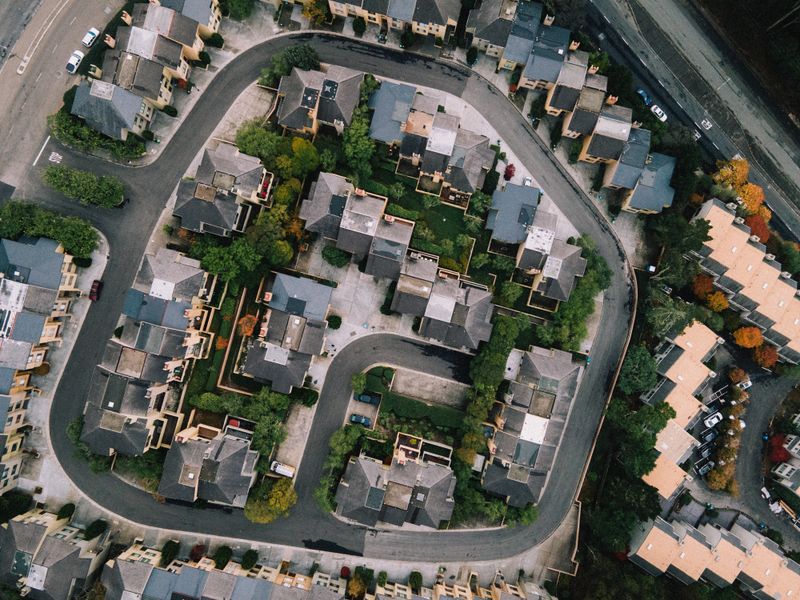
A service area is too big to canvass as one piece. Divide it into zones a team can cover in a day or two. Practical boundaries work well: major roads, subdivision entrances, rail lines or creeks.
Base zones on geography, drive time and property facts such as housing type and age. Never define or rank zones by who lives there, and avoid labels that judge an area's character or safety. Fair housing principles apply to marketing, and a zone plan built on property facts is easier to defend and more useful day to day.
Give each zone a name or number and keep a simple record of when it was last canvassed, what was left at each door, and which addresses asked not to be contacted. That record stops two team members from knocking on the same doors a week apart.
Zones also make results easier to read. If one zone produces steady conversations and another produces closed doors, you can look at why: the timing, the message, the time of day, or simply that the homes there do not match what you install.

Plan routes that make sense on foot
Before the day
Choose a zone with a reason behind it. The streets around a recent install are a natural choice, because neighbors may have noticed your van. A zone with a cluster of recent home sales is another. Pull the target addresses, remove any that have opted out or displayed "no soliciting" signs on past visits, and plot the rest on a map.
Then plan a loop, not a zigzag. Park once near one end, walk one side of a street and come back along the other, and cross busy roads as rarely as possible. A route that finishes near the truck saves the tired last hour of the day. Give each canvasser a printed or digital copy with the addresses in walking order.
On the street
Knock, step back and wait. If nobody answers, leave material on the door handle, never in or on the mailbox. Note the result for every address: spoke with owner, not home, not interested, asked not to return, or sign posted. Those notes are what make the next route in this zone smarter.
Keep the first conversation short. Say who you are, why you are on the street and what you offer, then ask if they would like information or a visit. If the answer is no, thank them and move on. A polite exit leaves a better impression than a long pitch, and the neighbors are often watching either way.
Know the local rules before anyone knocks
Door-to-door rules are local, and they vary more than many businesses expect.
Many cities and counties require a solicitor or peddler permit, sometimes for each person who knocks. Some limit hours, and some ban commercial solicitation at homes that post signs against it. HOAs and gated communities set their own rules for private streets. Check with the city or county office that issues permits in each jurisdiction you cover, and have every canvasser carry a copy.
If you sign contracts at the door or in the home, federal and state cooling-off rules may require you to give the buyer written notice of their right to cancel within a set period. Make sure your paperwork and your canvassers' pitch match those rules. For any calls or texts that follow a visit, do-not-call and consent rules still apply. An attorney who knows your state can confirm the details.
Conduct and safety for canvassers
Canvassers represent your business and, by extension, the whole security trade. Wear company clothing and visible ID, and introduce yourself and the company in the first sentence. Stay on walkways and porches, never peer into windows or garages, and never photograph homes. Leave promptly when asked. Keep the pitch calm and specific, with no crime talk and no claims that a product will keep a family safe. Train canvassers to answer common questions honestly, including what the company does not do. If they do not know an answer, the right move is to say so and offer to have someone call back, with the homeowner's permission.
Look after the team as well. Canvass in daylight, work in pairs or check in with a team lead on a set schedule, carry water, and walk away from any situation that feels wrong. If anyone sees an emergency, they call 911 first.
A pre-route checklist
- Zone chosen for a clear reason, such as a nearby install or recent sales
- Solicitor permits current for every canvasser in this jurisdiction
- Address list cleaned of opt-outs and past "no soliciting" notes
- Route plotted as a loop with parking at one end
- Door hangers checked for business name, phone number and any required license number
- Canvassers briefed on local hours, conduct and cancellation paperwork
- A way to log each address result before the day ends
- A check-in plan and a firm stop time
Tools that do the plotting
Paper maps and spreadsheets work, but they slow the planning down. SecureYrHome includes homeowner and property data tools for mapping a service area, filtering properties and planning canvassing routes, which can shorten the planning so more of the day goes to conversations at the door.
This article is general information for business owners, not legal advice. Telemarketing, consent, licensing and solicitation rules vary by state and city.