What a Home Security Assessment Actually Covers
A home security assessment should look at far more than a sales package. Here's what a thorough walk-through covers, from the curb and doors to lighting, habits and local rules.
5 min read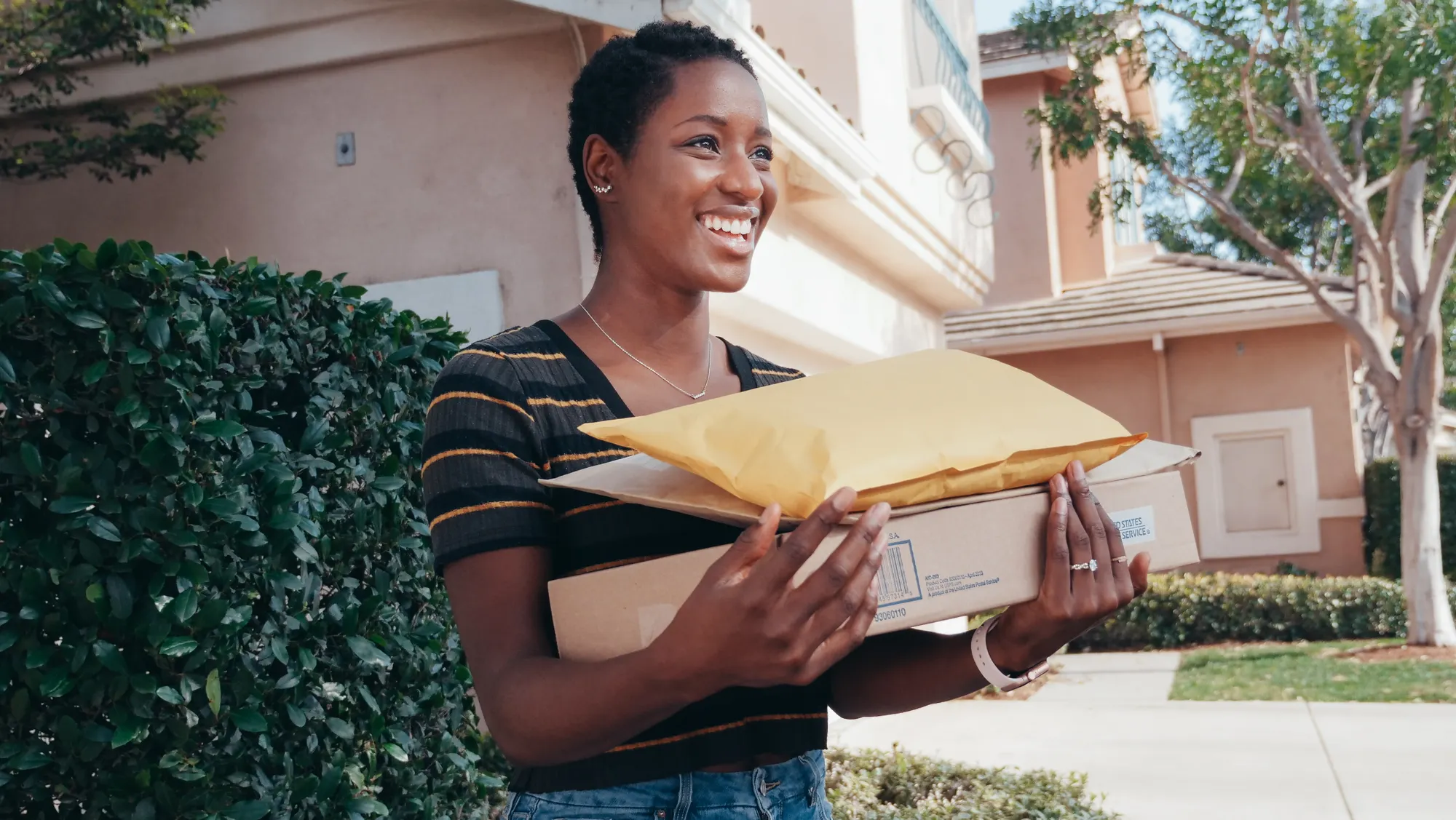
Doors & Entry Points
Most package problems come down to timing and placement: a box sits in plain view for hours, or arrives when nobody's around. Here's how to pick delivery options, lockers, cameras and schedules that keep your orders out of easy reach.
Online shopping has turned the front porch into a loading dock. That's convenient until a box goes missing, gets soaked in a storm, or sits outside all weekend while you're away. Package theft tends to be opportunistic, so most of the fixes are about shrinking the time a delivery spends in view.
You don't need expensive gear to do that. A few choices at checkout, a smarter drop spot and a routine for bringing things in handle most of it. Cameras and lockers add another layer. This guide walks through each option so you can mix and match what fits your home and your schedule.
1Step 1 of 7
The easiest place to protect a package is before it ships. Many retailers let you pick a delivery day, request a signature, choose a pickup store or locker, or add instructions for the driver. Use those options for anything valuable or hard to replace. A signature requirement means a person has to be there, so choose it only when someone will be home or when you don't mind collecting the package from the carrier later. For routine orders, grouping items into fewer shipments cuts down how often boxes land on your step.
Electronics, prescriptions and anything expensive are good candidates for a signature or a pickup location instead of a doorstep drop.
Fewer, larger deliveries on a day you choose are easier to watch for than a steady stream of small boxes all week.
2Step 2 of 7
Carrier and retailer apps can send a notification when a package is out for delivery and again when it's dropped off. Turn those on for the carriers that bring most of your orders. When you know you won't be home, many carriers let you reroute a package, hold it at a local facility, or move it to another day, often right from the tracking page. Some also send a delivery photo, which helps you confirm where the driver left it. The fewer surprises you have, the fewer boxes end up sitting unattended.
Free accounts with carriers often add tracking notifications, hold requests and delivery previews for everything addressed to your home.
If the photo shows a spot you didn't expect, move the box yourself or ask a neighbor to grab it before it sits for hours.
3Step 3 of 7
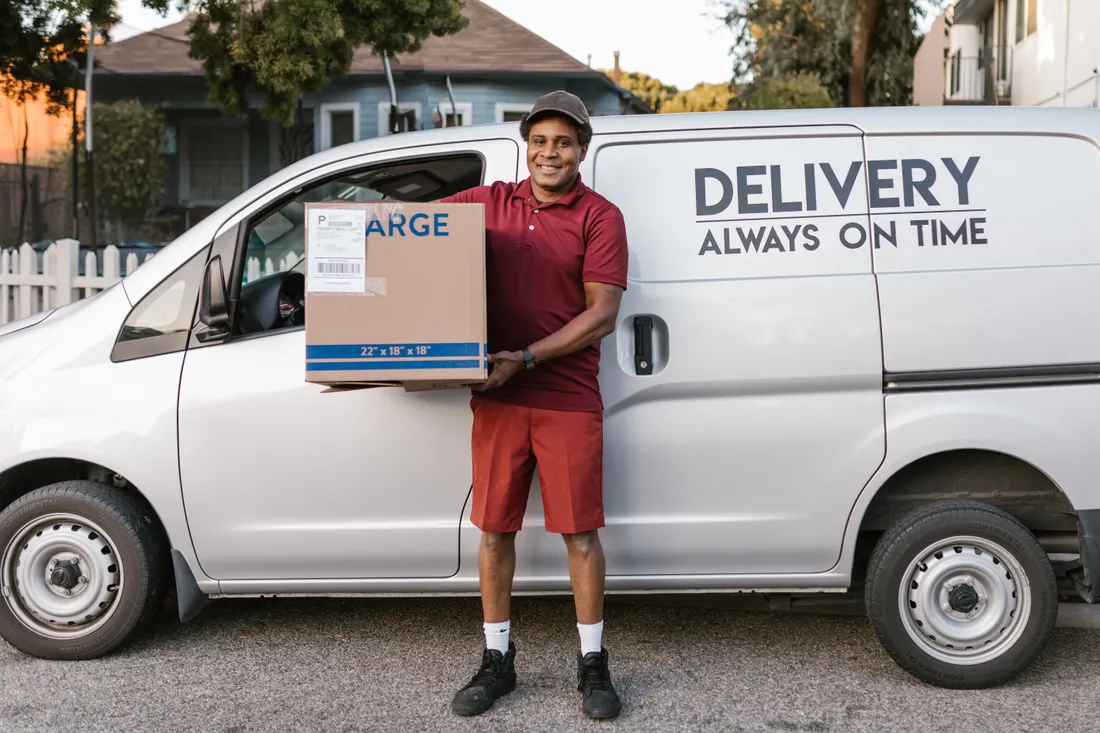
If packages regularly arrive while you're at work, a pickup location may be simpler than trying to guard the porch. Carriers and retailers run lockers and service counters at stores, pharmacies and post offices, and you collect with a code on your own schedule. Many apartment and condo buildings have package rooms or lockers too. You can also ship to your workplace if your employer allows it. A little extra driving now and then is often worth it for items you'd hate to lose.
Lockers and counters hold packages for a limited time. Check the pickup deadline so an item doesn't get sent back to the seller.
Ask before shipping personal orders to work, and keep the volume reasonable so the mailroom doesn't turn into your storage closet.
4Step 4 of 7
At home, a secure drop spot keeps a delivery out of sight and out of the weather. Options range from a lockable delivery box on the porch, to a bin tucked behind a gate, to a note asking drivers to use a side door that can't be seen from the street. Some homeowners install a box that bolts to the porch or ground, with a slot that lets items in but not out. If a carrier or retailer offers delivery inside your garage or behind a gate, set it up only with access you can review and revoke from your phone.
Look for a box that's fastened to something solid and large enough for your usual orders. Add a clear label so drivers know to use it.
Brief, specific notes work better than long ones. Something like 'Please leave packages behind the side gate' is easy for a busy driver to follow.
Homeowners associations and leases sometimes restrict what you can mount on a porch or add to a gate, so check before you buy anything.
5Step 5 of 7
With a video doorbell or a camera over the porch, you can watch a delivery arrive and check on it from work. A visible camera may make someone think twice, and footage can help if you need to file a report. Aim it at your door, steps and walkway rather than the sidewalk or a neighbor's house, and use privacy zones to block areas you don't need. Sound is a separate question: laws on recording audio differ by state, so look up the rules where you live before you enable the microphone. Keep in mind that a camera records a problem; it doesn't stop one on its own.
Limit motion detection to your porch and walkway. You'll get fewer notifications from passing cars and record less of the public street.
If a package goes missing, download the clip right away. Some storage plans delete older footage automatically after a set period.
6Step 6 of 7
Most of the protection comes from one simple habit: get deliveries inside quickly. If you work from home, check the porch after each delivery notification. If you don't, a neighbor who's home during the day may be glad to bring your packages in, especially if you do the same for them. Before a trip, pause deliveries or send them to a pickup point. Break down boxes before putting them at the curb, too, since a big empty carton from a new TV announces what's now inside your house.
Trading package duty with a neighbor costs nothing. Share phone numbers so you can send each other a quick heads-up when something lands.
Flatten or cut up cartons from expensive items and put them inside the recycling bin rather than leaning against it.
7Step 7 of 7
First, check the obvious spots: behind planters, at a side door, with a neighbor, or at a nearby address with a similar number. Look at the carrier's delivery photo and your own camera footage. If it's truly gone, contact the seller first, since many retailers handle lost or stolen packages directly, and then the carrier. File a police report if the seller or your insurer asks for one; many departments take minor theft reports online. Don't try to confront someone you think took a package. If you see a theft happening or feel unsafe, call 911 and let officers handle it.
Sellers often reship or refund lost items, and that can be faster than a carrier claim. Keep the order number and tracking details handy.
Give clips to the police or the seller. Posting them publicly can misidentify someone and create problems of its own.
Tick boxes as you go. Nothing leaves this page.
For many people, yes, because they take away the hours a box would otherwise sit on your step. The trade-off is convenience: you have to make the trip and collect within the pickup window. For valuable items, or on weeks when nobody's home during the day, the extra stop is often worth it.
Only up to their size. Measure the kinds of boxes you usually get before buying one, and remember that drivers can't fit a large carton through a small slot. Many owners use a box for everyday orders and choose a pickup point or a day at home for bigger items. Anchoring the box keeps someone from carrying the whole thing away.
Many can, but whether you should turn it on depends on where you live. Audio recording and consent laws vary by state, and some are stricter than the rules for video. Check your state's rules before enabling sound. Either way, keep the camera aimed at your own property and use privacy zones for sidewalks and neighbors' homes.
Stay inside and don't confront them. If you feel threatened or things look unsafe, call 911. Otherwise, note what you can, such as the time, direction and any vehicle, and save the camera clip. Then report the theft to the police, the seller and the carrier. Your own safety matters more than any delivery.
Keeping deliveries safe is mostly about timing and placement, with cameras and lockers as helpful extras. Try a couple of these ideas, notice where boxes still sit too long, and adjust from there. You'll find more homeowner guides on SecureYrHome, all meant as general education and not as professional or legal advice. Before you rely on any single method, check your local rules, your community's guidelines and the current delivery options your carriers offer in your area.
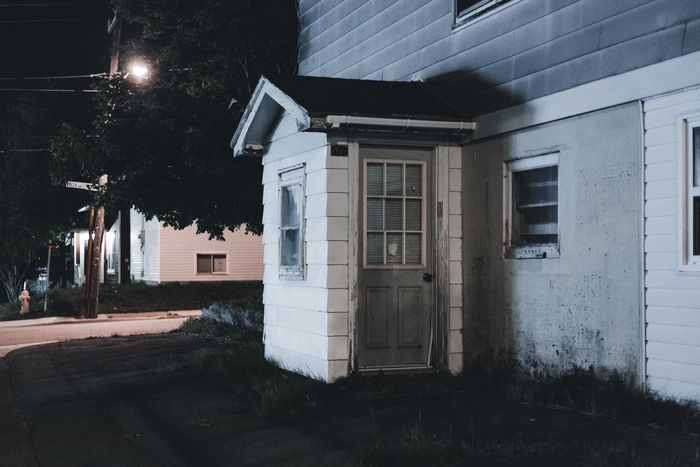 Doors & Entry PointsHome Security BasicsGood home security starts with the doors, windows and habits you already have.Read the guide
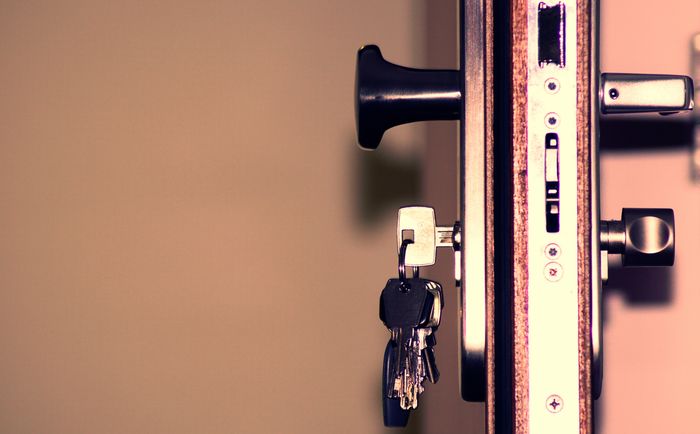 Doors & Entry PointsDoor Locks & Smart LocksA deadbolt can only hold as well as the door, frame and screws around it.Read the guide
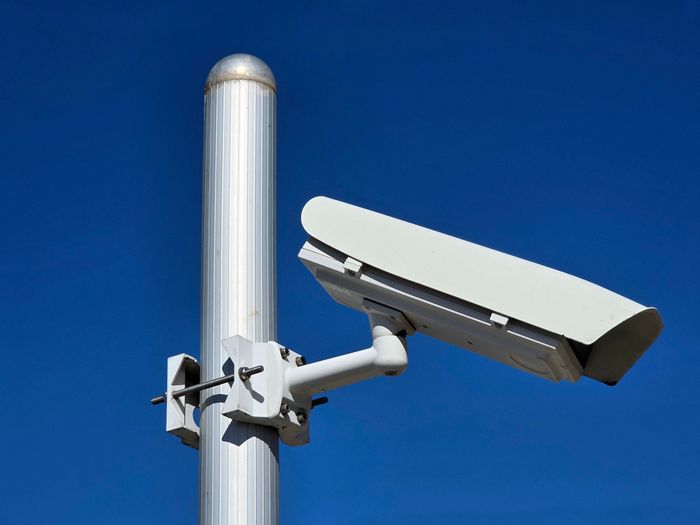 Cameras & LightingSecurity CamerasCameras can show you who is at the door, record what happened in the driveway and let you check in while you're away.Read the guide
A home security assessment should look at far more than a sales package. Here's what a thorough walk-through covers, from the curb and doors to lighting, habits and local rules.
5 min readWired and wireless security systems each fit different homes. Learn how they differ, where each makes sense, when a hybrid setup is practical and what to ask before choosing.
5 min readProfessional monitoring puts a trained operator between a sensor and a response. Self-monitoring puts that decision on you. Here's how each works, who each suits and what to ask.
5 min read
Property and homeowner records, list building, routes and outreach tools for security dealers, locksmiths, installers and contractors.