SecureYrHome Editorial
In this article7 sections
Key takeaways
- Common hiding spots near the door are the first places anyone would check.
- A trusted neighbor, a coded lockbox or keypad codes each suit different needs.
- Keep a written record of every copy and change codes when people move on.
The doormat. The flowerpot. The ledge above the door frame. The fake rock that looks a little too perfect next to the steps. These hiding spots have been around for generations, which is exactly the problem. Anyone who wants into a house without a key knows the list, and it takes seconds to check.
A spare key is still a good idea. Lockouts happen, kids forget keys, and someone may need to let in a pet sitter or a repair person while you are away. The question is not whether to have a spare but where it should live and who should be able to reach it.
Why the usual hiding spots fall short
The trouble with hiding a key near the door is that the spot is chosen for your convenience, and a stranger standing at your door enjoys the same convenience. Mats, planters, porch lights and downspouts are all within arm's reach of the entry, and a quick check takes less time than knocking.
There is a second, quieter issue. A hidden key leaves no record. If it is used, you may never know. If a contractor or former friend remembers where it was, they can come back months later. And if a key goes missing from its spot, it is easy to assume it was misplaced rather than taken.
Hidden keys also have a way of outliving the people who hid them. A planter gets moved, the porch gets repainted, the house changes hands, and the key stays where it was. New owners often have no idea it exists.
Start with what the spare is for
Different needs point to different solutions. Before choosing, think through who actually needs to get in without you:
- You, after locking yourself out
- Children coming home from school
- A dog walker, pet sitter or house sitter
- Family members who visit or check on the house
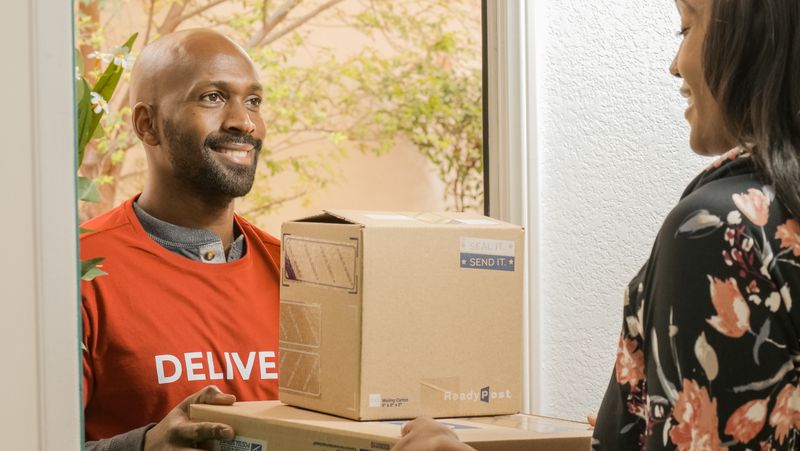
- Service providers, such as a cleaner or a repair tech, on occasion
If the answer is mostly you, a spare held by someone nearby may be enough. If several people need regular access, codes you can hand out and take back tend to be easier to manage than a growing pile of metal keys.
Options worth considering
A trusted neighbor or nearby friend
This is one of the oldest options and still one of the most practical. The key sits inside someone else's home, not outside yours. Pick someone who is usually around and whom you would be comfortable calling late in the evening. Put the key on a plain ring with no address or label that connects it to your house.
A combination lockbox
A lockbox holds a key behind a code. Choose a sturdy one, and mount it somewhere out of view, bolted to a structure or locked around a fixed pipe, rather than hanging it on the front doorknob. Its real advantage is that you can change the code once the people who used it no longer need access.
Keypad or smart lock codes
A keypad deadbolt removes the need for a spare key for most people. Each person can get their own code, and many app-connected locks can create codes that work only on certain days or hours. You can delete a code the moment it is no longer needed. Keep a physical key in a secure spot anyway, since batteries, electronics and apps can fail.
A spare kept off the property
Some people keep a spare at work or with a relative across town. It is less convenient in a pinch but very secure, and it works well as a backup to one of the other options.
One spot to skip is the car, especially the glove box. A car parked in the driveway often holds paperwork showing your address, so a house key inside it pairs the key with the house. If the car is ever broken into or stolen, you would need to rekey as well.
Setting up a lockbox the right way
If you choose a lockbox, a few details make a real difference:
- Mount it out of sight from the street and from the path to the front door.
- Bolt it to a solid surface or secure it to something that cannot be removed.
- Avoid codes based on your address, birthday or a simple pattern.
- Change the code after a sitter, contractor or guest is done.
- Keep only one key inside, and never add a garage remote or a note with alarm codes.
- Check it every few months to make sure the key is still there and the box still works.
Questions to ask before you hand over a key or code
Giving someone access to your home is a trust decision, so it is worth pausing on a few questions:
- Do they need a key, or would a temporary code or a scheduled visit work?
- How will they store it, and will anyone else in their household have access?
- When should access end, and how will you take the key back or delete the code?
- If they work for a service company, does the company have a written policy for handling client keys?
- Will they tell you right away if the key is lost, so you can rekey?
For service providers in particular, a code that expires on its own is often cleaner than a key you have to remember to collect.
Keep track of every copy
The simplest habit in this whole guide is also the one most people skip: write down who has a key or code. A note on your phone or a card in a drawer is fine. List each person, the date they got access, and what they have. Skip labels on the keys themselves; a colored key cap or a code only you understand is enough to tell them apart without pointing to your address.
That record makes it easy to see when access should end. If you ever cannot account for a key, or someone who had one is no longer part of your life, the fix is straightforward. Rekey the lock, or delete and reissue codes. Many people pair this review with another routine, such as changing smoke detector batteries, so it actually happens.
The short version
Retire the fake rock, pick a spare option that matches who needs access, and keep a simple list. If you are working through other parts of home security, SecureYrHome's plain-English homeowner guides cover locks, lighting, cameras and daily routines in the same practical way.
This article is general information, not professional or legal advice. Camera, recording, permit and alarm rules vary by state and city. In an emergency, call 911.