SecureYrHome Editorial
In this article7 sections
Key takeaways
- A trusted neighbor who clears the porch and moves bins beats most gadgets.
- Vary indoor lighting with timers in several rooms instead of one lamp all night.
- Share trip photos after you return, not while the house sits empty.
An empty house tends to give itself away in small, ordinary ways. The porch light that stays on all day. A stack of flyers wedged in the storm door. Blinds that never move, a lawn that keeps growing, a trash bin left at the curb days after pickup. None of these signals means much alone, but together they tell anyone paying attention that no one has been home for a while.
The goal while you travel is simple: keep those signals looking like everyday life. What follows is a plan that runs from a couple of weeks before you leave to the moment you walk back in.
Two Weeks Before You Leave
A little early planning covers most of what matters.
Start with the mail. The postal service offers a mail hold, and many package carriers let you schedule delivery holds or redirect packages to a pickup location. Pause newspaper delivery if you still get one. If something is arriving while you're gone, arrange for a neighbor to grab it or have it sent to a secure pickup spot.
Next, line up help. A trusted neighbor, friend or relative who can walk by every day or two is worth more than any gadget. Ask them to bring in anything left at the door, roll the trash bins back from the curb and get in touch if anything looks off. Give them a way to reach you and tell them who else has a key.
Finally, think about the yard. Arrange for mowing, leaf pickup or snow clearing if you'll be gone long enough for it to show. A driveway with no tire tracks after a snowfall is one of the easiest signs to read.
Lights, Sound and Shades
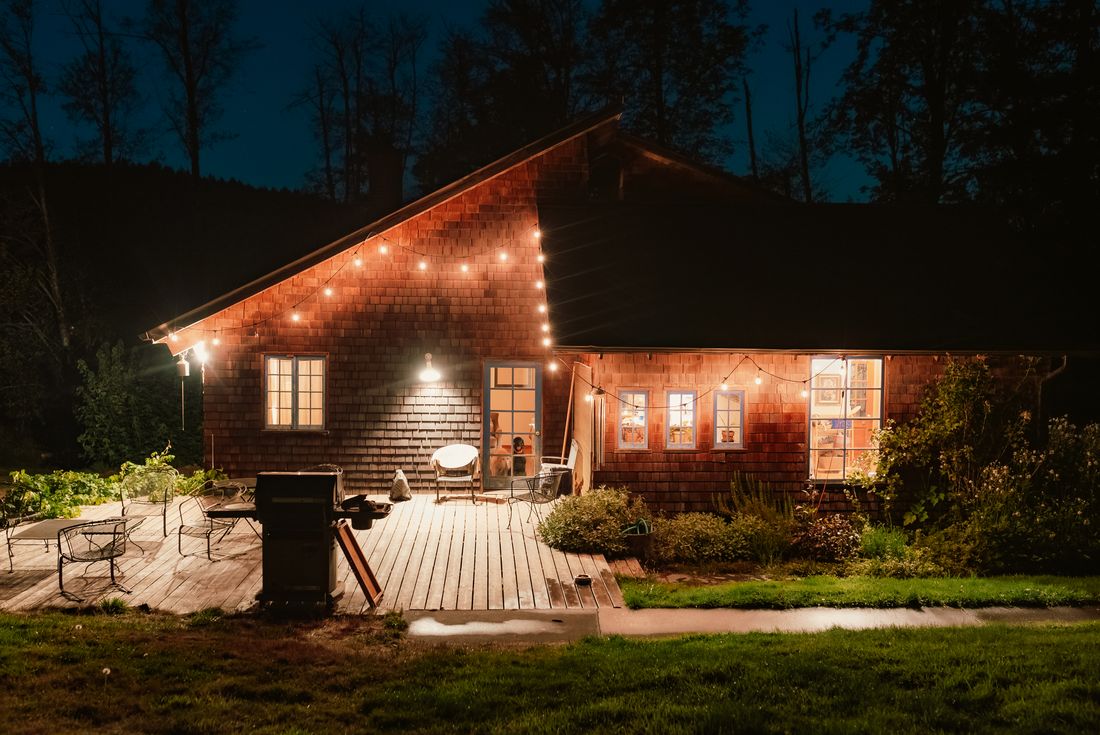
Inside, the aim is variation. A single lamp burning all night, every night, looks as staged as a dark house. Plug-in timers and smart plugs let you set lamps in different rooms to come on and go off at different times, and many smart plugs can shift their schedules slightly from day to day. Pick rooms that would normally be lit in the evening, such as the living room and kitchen, then a bedroom later on.
Some people also put a radio or television on a timer so there's occasional sound. Leave blinds and curtains the way you usually keep them during the day. Closing every shade in the house is its own signal, and it also keeps a neighbor from noticing anything unusual inside.
Outdoor lighting follows the same thinking. Dusk-to-dawn fixtures or motion-activated lights at the entries make more sense than a porch light burning around the clock.
Outside: Driveway, Deliveries and Trash
If you have a second vehicle, leaving it in the driveway, or letting a neighbor park there, can help the house look lived in. Ask your helper to put out and bring back your trash and recycling bins on the usual days, or to add a bag of their own so the bins aren't sitting empty at the curb.
Take care of small tells before you go. Store ladders and tools inside. Lock gates, sheds and the garage. Unplug the garage door opener or use its vacation lock setting if it has one, and don't leave a remote in a car parked outside. If you have a video doorbell or cameras, make sure they're connected and charged, and that notifications reach both you and your helper.
Keep Your Plans Off Social Media
Posting beach photos in real time tells a wide audience that your house is empty. It's easy to wait and share the trip once you're home. Check your privacy settings too, and consider asking family members to hold their posts until you're back.
Location tags and check-ins are worth a look as well. Many apps attach a location to photos by default, and some share where you are with friends automatically. Turn those features off before you leave, or at least while you're traveling.
The same goes for automatic out-of-office replies. Keep them vague about dates and destinations, especially on personal email. Voicemail greetings are another small leak, and there's no need to announce that you're away for two weeks.
A Pre-Trip Checklist
Run through this the day before you leave:
- Mail and package holds scheduled, newspaper paused
- Neighbor or friend briefed, with your contact details and a backup contact
- Timers or smart plugs set for lamps in two or three rooms
- Outdoor lights on dusk-to-dawn or motion settings
- Blinds left in their normal daytime positions
- Yard care or snow removal arranged
- Ladders, tools and bikes stored and locked away
- Every door, window, slider and garage door locked, including the door from the garage into the house
- Spare keys retrieved from any hiding spot outside
- Alarm system armed, with your contact list updated if the system is monitored
- Cameras and doorbell online, with notifications going to you and your helper
If you use professional monitoring, let the provider know your travel dates and confirm your contacts are current. Alarm permit and registration rules vary by city, so it's also a good moment to check that yours hasn't lapsed.
Longer Trips and Seasonal Absences
If you'll be gone for a month or more, or you leave a seasonal home empty for part of the year, the same principles apply on a longer timeline. One neighbor may not want to check in for weeks on end, so consider sharing the job among a few people or hiring a house-sitting or property check service. Ask for references, and agree in writing on what they'll do and how often.
Think about the house's systems as well as its appearance. Set the thermostat to protect pipes in cold weather, shut off the main water supply if you're comfortable doing so and unplug electronics you won't need. Some homeowners add water leak and temperature sensors that send a notification to their phone, which helps catch problems that have nothing to do with intruders. It's also wise to tell your insurance agent about long absences, since some policies have conditions for homes left vacant for extended periods.
Coming Home
When you get back, take a slow look around before heading inside. If you see a broken window, a forced door or anything that suggests someone has been in the house, don't go in. Move to a safe place and call 911.
Most of the time, of course, coming home just means sorting the mail and resetting the timers. Thank your neighbor, and offer to return the favor on their next trip.
If you want to keep planning, SecureYrHome's homeowner guides go into more detail on related topics like protecting package deliveries and choosing a safe place for spare keys.
This article is general information, not professional or legal advice. Camera, recording, permit and alarm rules vary by state and city. In an emergency, call 911.