SecureYrHome Editorial
In this article7 sections
Key takeaways
- Position sensors so people cross the detection zone, which triggers them sooner and more reliably.
- Shielded, downward-aimed fixtures light your paths without shining into neighbors' windows.
- Tune sensitivity, timer length and dusk settings before blaming the fixture for problems.
You pull into the driveway after dark, gather your bags, and walk halfway to the door before the floodlight finally clicks on. Or it is the other way around: the light snaps on every time a car passes or the wind moves a branch, and the neighbor has started closing their blinds. Both are common, and both usually come from setup rather than a faulty light.
Motion lighting is one of the more useful outdoor upgrades a homeowner can make. It lights your way, it makes activity near the house visible, and it helps cameras see. Getting it to behave takes a little understanding of how the sensors work and a willingness to adjust a few small dials.
What motion lighting does well, and what it does not
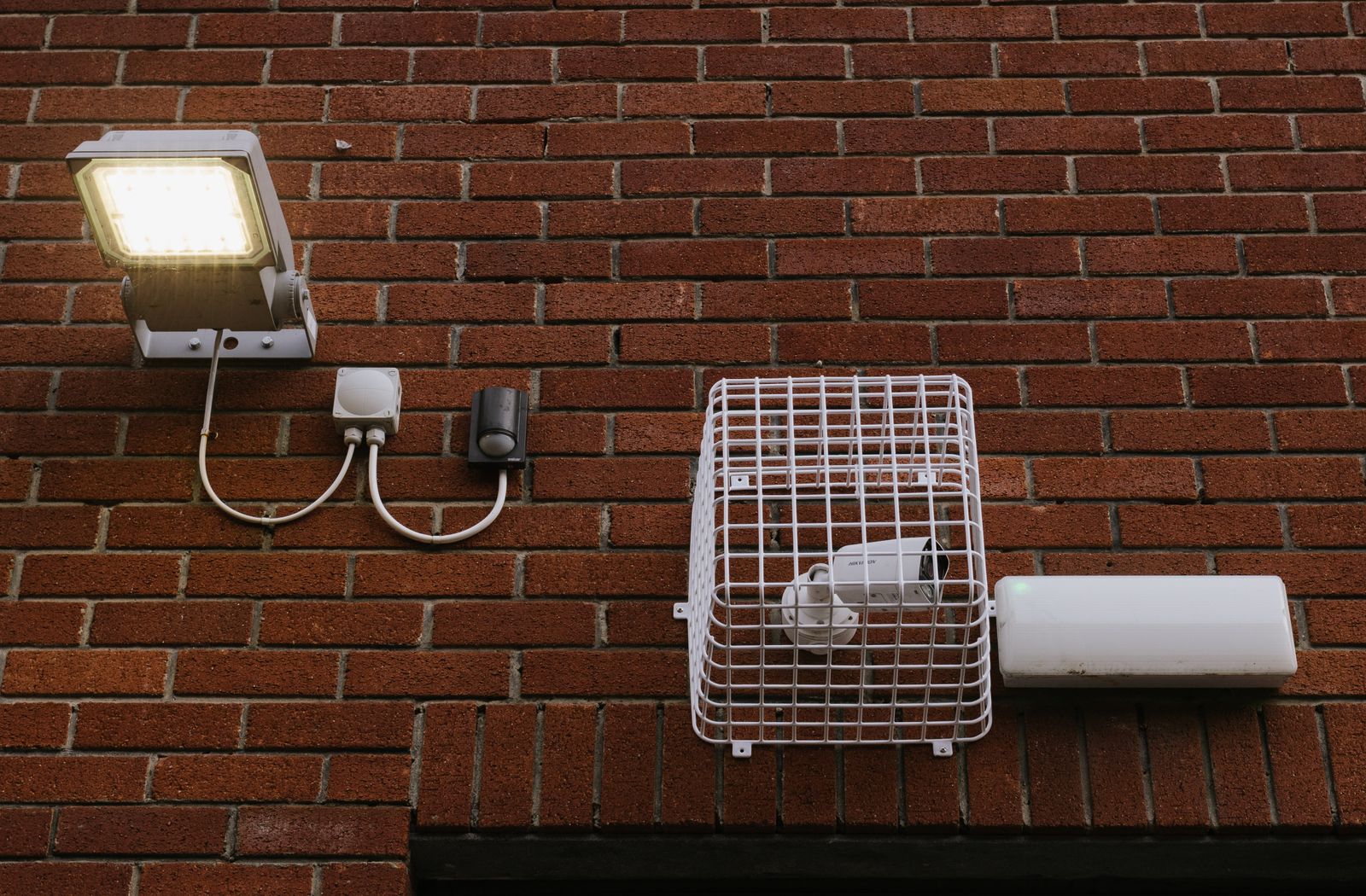
A motion light is good at three things. It gives you and your guests light exactly when you are walking somewhere. It draws attention to movement near doors, garages and side yards. And it improves nighttime camera images, which are often grainy under infrared alone.
It is not a substitute for locks, sturdy doors or good habits. A light that turns on does not stop anyone by itself, and a light that turns on constantly teaches everyone in the house to ignore it. The aim is lighting that switches on for real reasons, at the right moment, and in the right places.
How the sensors work, in plain terms
Most household motion lights use a passive infrared sensor, often shortened to PIR. It does not send out a beam. Instead, it watches for changes in heat across its field of view. A warm body moving from one zone to the next is what triggers it.
That detail explains a lot of odd behavior:
- PIR sensors react most readily to movement across their view, and less to someone walking straight at them.
- Warm things that move, like a car pulling out or a dryer vent puffing warm air, can set them off.
- On very hot nights the contrast between a person and the background drops, so the effective range can shrink.
- A small animal close to the sensor can look as large as a person farther away.
Some fixtures pair PIR with other sensing methods, or with a camera that looks for people specifically. Those can cut down on false triggers, though they tend to cost more and may need an app to configure.
Place lights for the paths people actually use
Start by walking the routes you and your family take after dark: car to door, back door to trash cans, side gate to the backyard. Those paths are where light helps most.
Mount the sensor so a person walking that route crosses the detection zone early. A light over the garage that watches the whole driveway at an angle will usually catch you sooner than one aimed straight down the drive at your approaching headlights. Height matters too. Most manufacturers list a mounting height in their instructions, and staying near it keeps the detection pattern working as designed.
Pay attention to what is inside the zone that you do not want. Busy sidewalks, the street, a neighbor's driveway and shrubs that sway in wind are common sources of false triggers. Most sensor heads can be tilted and turned, and many come with small masking shields or stickers that block part of the view.
The three settings behind most complaints
Nearly every motion light has some version of these controls, sometimes as tiny dials on the underside and sometimes in an app.
Sensitivity or range
Turn it down if the light triggers from the street or from animals. Turn it up if you are halfway to the door before it notices you. Adjust in small steps and test after each change, ideally with a second person walking the path while you watch.
Duration or timer
This sets how long the light stays on after motion stops. A short setting saves energy but can leave you in the dark while fumbling for keys. A very long one means the light rarely goes off. Somewhere in the middle usually works for entries.
Dusk or daylight sensor
This decides how dark it must be before the motion feature works at all. If the light never turns on in the evening, the dusk sensor may be shaded by an eave or catching light from another fixture. Some lights also offer a low-glow mode that stays dim through the night and brightens on motion, which can be a comfortable compromise near entries.
Be a good neighbor with light
Bright light aimed sideways causes glare. Glare makes it harder for people to see, including you, and it spills into neighboring yards and bedrooms. Many towns and some neighborhoods have outdoor lighting rules that limit light trespass, require shielded fixtures, or restrict how bright or how tall fixtures can be. Homeowners associations often have their own standards. The rules vary a lot, so check what applies where you live.
A few habits keep light where it belongs:
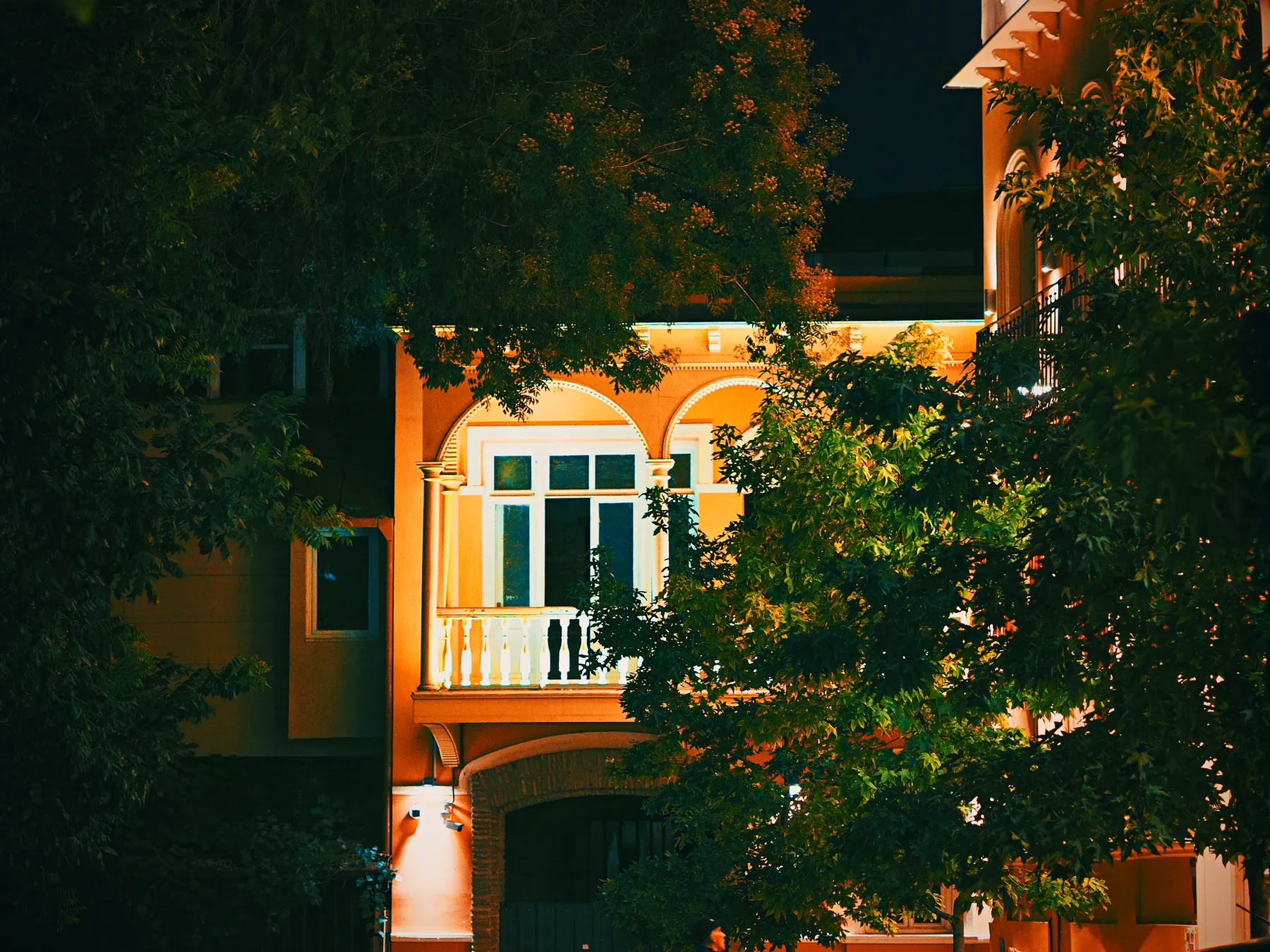
- Choose fixtures that shield the bulb and direct light downward.
- Aim lamp heads at the ground you need to see, not at the horizon.
- Use warmer color temperatures near living spaces if harsh white light bothers anyone.
- Keep sensor zones on your own property so passing cars do not trigger lights that shine into other homes.
Questions to ask before you buy or hire
If you are replacing a fixture or adding new ones, run through these questions first:
- Is there an existing outdoor-rated junction box where you want the light, or does new wiring need to be run?
- Does the work require a permit or a licensed electrician in your city or county?
- Will a hardwired, solar or battery light suit this spot and how often you can reach it for maintenance?
- Can the sensor head and the lamp heads be aimed separately?
- Does it have adjustable sensitivity, timer and dusk settings, and can you reach them easily?
- Is the fixture rated for wet locations if it will be exposed to rain?
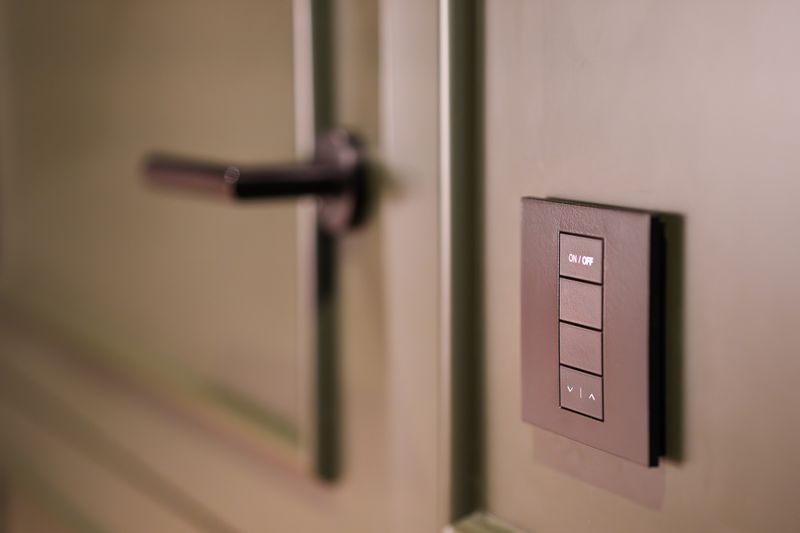
- Will it work with your existing wall switch, and what happens if someone flips that switch off?
Electrical work carries real risk, and rules on who may do it vary by state and city. When in doubt, have a licensed electrician handle the wiring.
A last thought
Well-tuned motion lighting makes arriving home easier and makes activity near your house easier to see, without turning your yard into a stadium. For more plain-English guides on lighting, locks, cameras and daily routines, SecureYrHome keeps a library of homeowner articles you can come back to as you work through the rest of the house.
This article is general information, not professional or legal advice. Camera, recording, permit and alarm rules vary by state and city. In an emergency, call 911.