SecureYrHome Editorial
In this article7 sections
Key takeaways
- Read your lease and get landlord approval for any lock or fixture changes in writing.
- Portable door locks, track bars and adhesive sensors add security without drilling.
- In shared buildings, keep cameras aimed at your own space and follow building rules.
Your lease probably has a clause about alterations. Many say tenants can't change locks, drill into walls or install fixtures without the landlord's written permission, and that can make home security feel off-limits when you rent.
It isn't. Renters have more options than they often realize, and most of them come off the wall as cleanly as they went on. The place to begin, though, is with paperwork and a conversation rather than a shopping cart.
Read the Lease, Then Talk to Your Landlord
Before buying anything, reread the sections on alterations, locks, keys and entry. Some leases are specific about what's allowed. Others are vague, which is a reason to ask rather than assume.
Then talk with your landlord or property manager, ideally in writing. Landlords care about security too, and many will approve reasonable requests like a better deadbolt, a door viewer or a video doorbell, especially if you offer to leave the upgrade behind or restore the original when you move out. Keep any approvals with your lease.
Be specific when you ask. A request to mount a stick-on video doorbell beside the existing button and remove it cleanly at move-out is much easier to approve than a general note saying you'd like to add some security.
Landlord and tenant rules vary by state and city, including who is responsible for locks and when a landlord may enter. If a question comes up that the lease doesn't answer, a local tenant resource or housing office can explain what applies where you live.
Ask About the Locks Before You Unpack
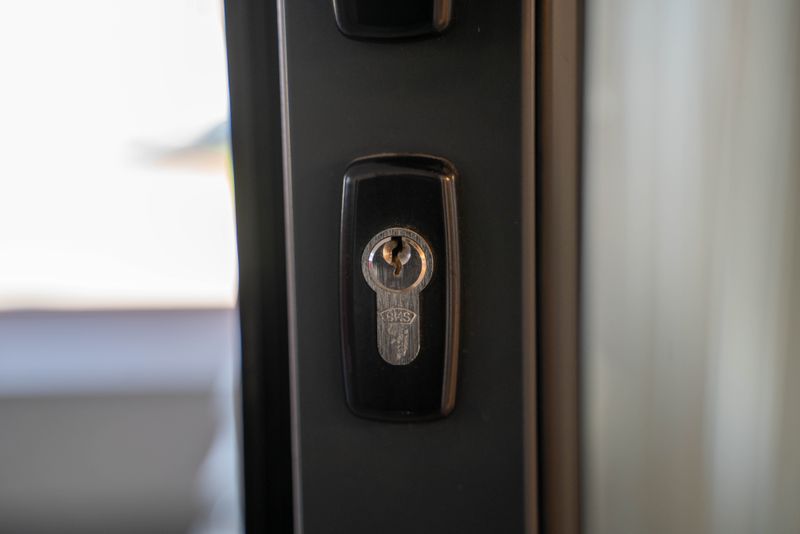
You don't know how many copies of your keys exist. Previous tenants, contractors and past managers may all have had one. Ask whether the locks were rekeyed or changed after the last tenant moved out. Some places require this by law, while others leave it to the landlord, so the answer depends on where you live.
If the locks weren't changed, ask whether the landlord will handle it, or whether you can arrange it yourself with a licensed locksmith and hand over a copy of the new key. Changing locks without permission can break a lease, so settle this first.
Keep track of your own copies, too. Know how many keys you were given, don't tag them with your address and get them back from anyone who no longer needs one, such as a former roommate or a friend who watered your plants last summer.
Door Upgrades That Leave No Holes
For the door itself, several products work without drilling:
- Portable door locks that fit into the strike plate from inside and hold the door shut while you're home
- Door security bars or braces that wedge under the handle or against the floor
- Door wedges with a built-in siren that sounds if the door is pushed open
- Adhesive door and window sensors from a wireless security kit
- A video doorbell on an adhesive or no-drill bracket, where your lease and building rules allow
Most of these only work when you're inside, since they're placed from the interior side. That's their purpose: added resistance while you're home, especially at night. When you're away, the deadbolt and any wireless sensors or cameras do more of the work.
Whatever you add, make sure it comes off fast. You should always be able to get out quickly in an emergency, and so should anyone else in the unit.
Windows and Sliders Without Tools
Sliding doors and windows are among the easiest openings to reinforce without tools. A length of wooden dowel or an adjustable bar in the track keeps a slider from opening. Tension-fit window locks and removable track locks do the same for sliding windows, and many clamp on and come off without leaving a mark.
Adhesive window sensors can tell you if a window opens while you're out. Window film is sometimes allowed, but check first, since removing it can take effort. And keep one rule in mind: every bedroom needs a usable exit in a fire, so nothing you add should block an escape window. Fire and building codes on this vary by location.
Cameras, Sensors and Shared Spaces
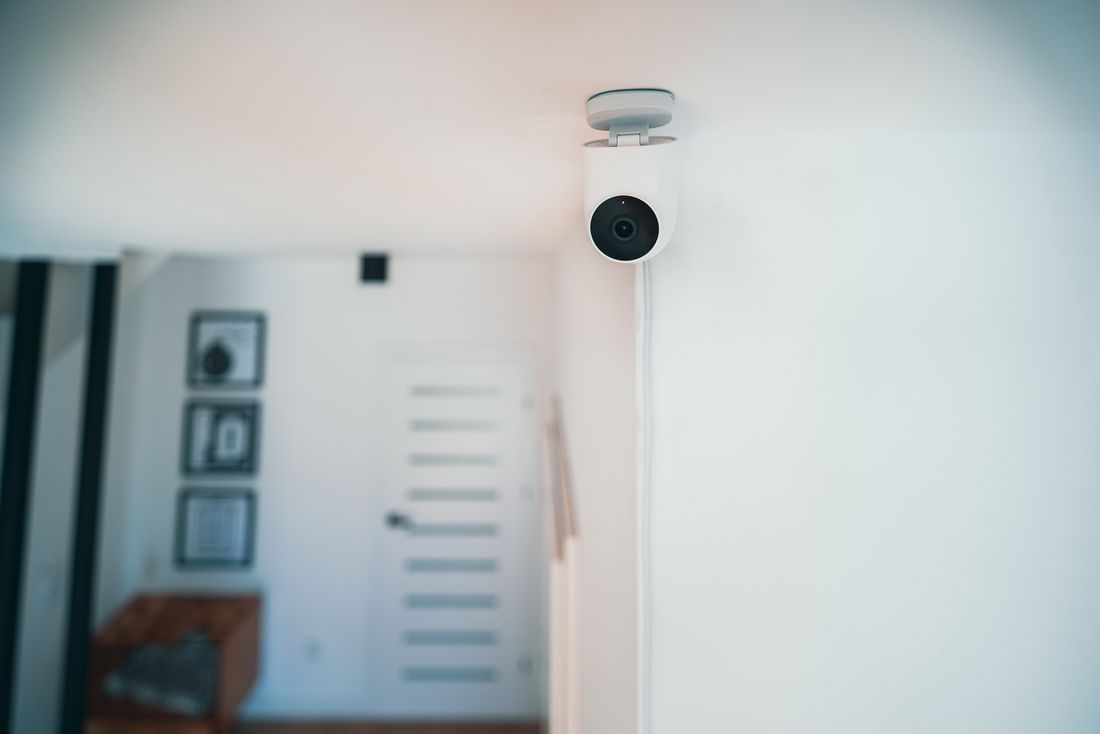
Wireless cameras and sensors are a natural fit for renters. They mount with adhesive or small brackets, connect to your own Wi-Fi and move with you.
Shared buildings raise extra questions, though. Hallways, lobbies, parking areas and shared yards usually belong to the property, and your landlord or building may have rules about cameras there. Point indoor cameras at your own space and outdoor cameras at your own entry, not into a neighbor's door or window. Recording laws, especially for audio, vary by state, so check before turning on microphones. If you have roommates, agree on camera placement and who can view footage before you install anything.
Smart plugs and lamp timers are another renter-friendly tool, since they need nothing more than an outlet. Set a lamp or two to come on in the evening when you'll be out late or away for a few days.
Pay attention to the building's common entry too. Doors that don't latch, burned-out lights in a parking area or a callbox that buzzes in anyone are worth reporting to management in writing.
Questions to Ask Your Landlord
Ask these at move-in, or before you sign if you can. The answers tell you a lot about how a property is managed.
- Were the locks rekeyed or changed after the previous tenant?
- Who else currently has keys to my unit?
- May I add a deadbolt, a door viewer or a video doorbell, and who pays?
- Are there rules about cameras in hallways, entries or parking areas?
- How do I report broken locks, lights or entry doors, and how fast are they fixed?
- How much notice do you give before entering, and what does the lease say?
- May I install a wireless alarm system, and would it need to be registered with the city?
Taking It With You
One of the nice things about renter-friendly security is that it moves when you do. Keep the original packaging and mounting instructions, note which surfaces you used adhesive on and remove everything carefully at move-out to protect your deposit. Photos of the unit at move-in and move-out help too. Before you hand back the keys, remove shared access from any cameras or smart devices, and factory reset anything you're leaving behind with the landlord's approval.
Renters insurance is also worth a look, since a landlord's policy generally covers the building rather than your belongings. For more ideas on doors, windows, keys and daily routines, SecureYrHome publishes plain-English homeowner guides, and much of the advice applies just as well to a rented home.
This article is general information, not professional or legal advice. Camera, recording, permit and alarm rules vary by state and city. In an emergency, call 911.